Herat-Mazar-i-Sharif-Wakhan Rail Project: A New Hope for Regional Transit
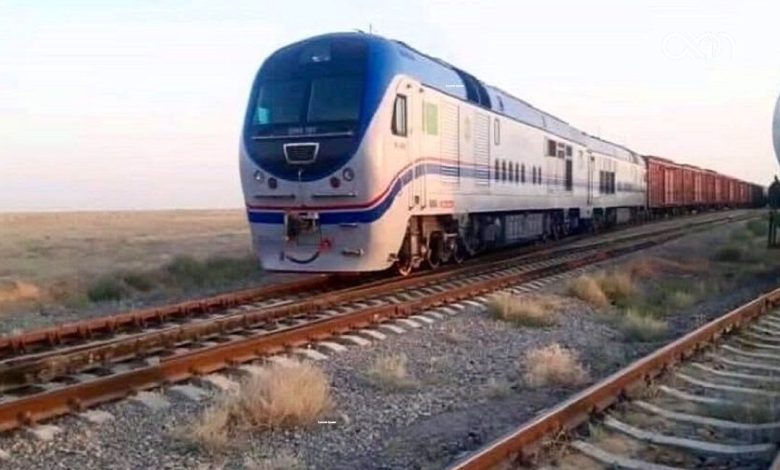
The Iran-China rail connection project via Afghanistan has been introduced as a strategic regional initiative aimed at significantly reducing the time and cost of transporting goods between China, Iran, and Europe. According to this plan, the route ‘Herat–Mazar-i-Sharif–Wakhan’ in Afghanistan will connect to Iran’s railway network and subsequently to Turkey and Europe, enabling direct train movement.
This topic was discussed on December 31 of the current year during a meeting between the Technical Deputy and Acting Minister of Public Works of the Taliban administration and the CEO of the Islamic Republic of Iran Railways. The meeting emphasized the economic importance of the project and the need to attract investments to complete the railway line.
Transit experts believe that expanding rail connectivity with neighboring countries, especially China, is currently a critical economic necessity. Statistics show that since the beginning of this year, over 63 trains from China have entered Iran and the European Union, compared to only seven trains last year.
Additionally, six-party agreements have been signed to establish common tariffs among the countries along the route, aiming to activate the southern branch of the East-West corridor through Iran. It is anticipated that with the agreements made among the six countries on the China-to-Europe route, the number of passing trains will increase to 300 annually.
Shahriar Naghizadeh, Director General of Foreign Trade at the Islamic Republic of Iran Railways, stated that this initiative could strengthen trade and transportation relations between Iran and China. He noted that the use of the standard gauge rail with a width of 1,435 millimeters in Afghanistan reduces freight transport issues at China’s borders with Kazakhstan and Turkmenistan.
He added that if the plan is implemented, trains could run directly from China to Europe without the need to change bogies or transfer cargo between wide and standard-gauge wagons. According to this Iranian official, expert studies for investment in this project are underway and have received positive responses from involved parties.
Naghizadeh also emphasized that developing Afghanistan’s railway with standard gauge rails, besides economic benefits, will strengthen the rail network link between Afghanistan and Iran. The project involves constructing 64 kilometers of railway to Herat and continuing to Mazar-i-Sharif, which will eventually connect through the Wakhan corridor to China’s Xinjiang province.
The mentioned route is considered one of Afghanistan’s most challenging terrains. While Iranian companies are active in this field, some Afghan companies have also expressed their readiness to participate in the construction of this rail line. Nevertheless, transparency in contracts and guaranteeing the economic interests of the Afghan people are among the issues expected from the Taliban administration to address.