Concerns Rise Over Excessive Solar-Powered Water Extraction in Ghazni
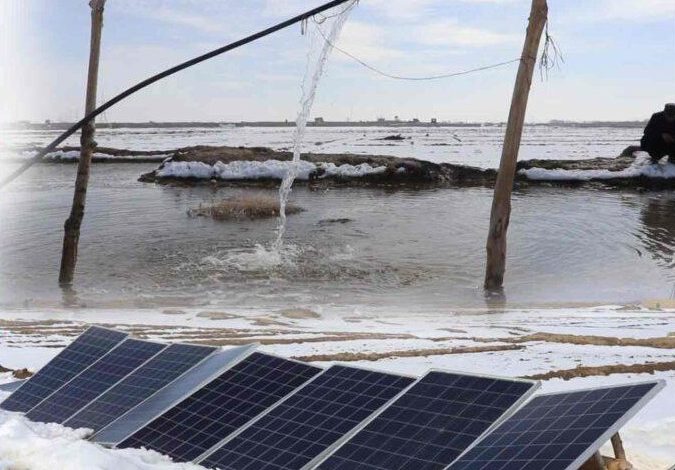
Residents of Ghazni province and water management experts report a significant decline in groundwater levels due to the increased use of solar-powered systems for agricultural water extraction. According to them, this situation could pose a serious threat to the vital water resources in the province.
Experts warn that excessive and unnecessary water withdrawal rapidly depletes reserves formed over thousands of years underground—resources that cannot be replenished in the short term. They believe that if the current trend continues, some residents may be forced to leave their areas, a development that could have widespread social and economic consequences.
Conversely, some farmers argue that if water is not extracted from the karez (traditional water channels) during winter, the underground water veins will be blocked, leading to water shortages in the summer. Raz Mohammad, a farmer from Ghazni, says that because of this, they are compelled to continue extracting water throughout the year to prevent their lands from drying up.
Experts emphasize that while building dams and check-dams helps control floods and provides limited groundwater recharge, these measures cannot fully replace previous natural sources or adequately irrigate all lands. They assert that scientific management and limiting water withdrawal is the only way to prevent the worsening of the crisis.
Meanwhile, experts call on the Taliban administration and responsible agencies to develop and implement clear, practical policies for water resource management and to closely monitor solar-powered wells. They believe that the lack of effective management and regular oversight by the Taliban administration has increased the risk of the water crisis escalating in the province.
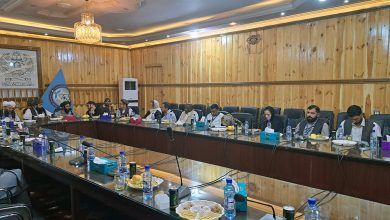
Mawlawi Shafiqullah Mansoor, head of the Ghazni sub-region of the Indus Basin, says that awareness campaigns have been conducted for the public but acknowledges that these efforts have been insufficient. He added that under a planned project, water meters will be installed on every karez to regulate consumption more effectively.
Similarly, Zakaria Hotak, spokesperson for Ghazni’s Department of Agriculture and Livestock, has urged farmers to conserve water. Ghazni is one of the country’s key agricultural provinces, with about 80 percent of its population engaged in farming and livestock, sectors that depend directly on sustainable water resources. Any crisis in this area would affect the livelihoods of thousands of families.