Increased Water Flow in Helmand River After Rains Opens Path for Iran’s Water Share
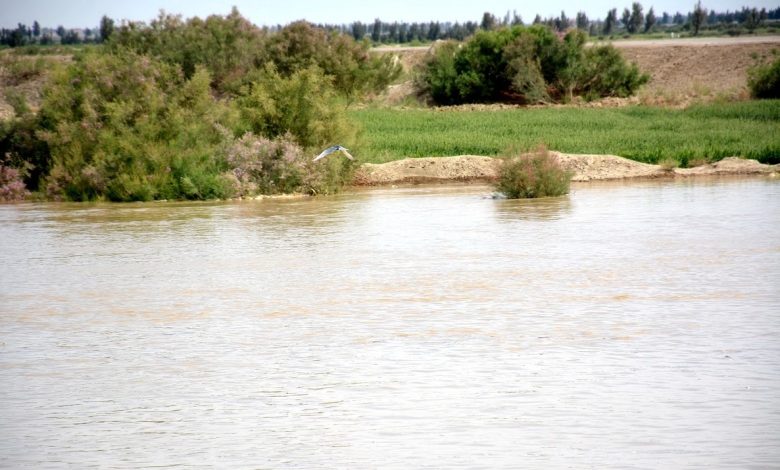
Snow and rainfall during the winter season have raised the water level of the Helmand River, and according to sources close to the Taliban administration, this has created conditions for supplying Iran’s water rights from the river. This development comes amid ongoing disputes over water shortages and the implementation of the Helmand Treaty in recent years.
Several activists affiliated with the Taliban administration have reported on social media that water is flowing through the Dara-i-Awod district in Uruzgan province and is expected to be stored behind the Kajaki Dam in Helmand province. The Kajaki Dam is one of the country’s key hydraulic facilities and plays a crucial role in managing the Helmand River’s water.
The Helmand River flows through several provinces of Afghanistan before draining into Iran. The Kajaki Dam in Helmand and the Kamal Khan Dam in Nimroz regulate the outflow of water toward Iran; therefore, the management of these dams directly impacts the supply of Iran’s water share.
In recent years, following the Taliban’s return to power, farmers in Iran’s Sistan and Baluchestan province have repeatedly expressed concerns over the reduction or cessation of the Helmand River’s flow. The river’s water and seasonal floods are vitally important for agriculture and livestock in these areas.
According to the 1972 Helmand Water Treaty signed between the governments of Afghanistan and Iran, Iran’s annual water share from the river is set at 817 million cubic meters. Despite this official agreement, its implementation in recent years has been surrounded by ambiguity and criticism, and the Taliban administration is expected to act transparently and responsibly in managing water resources.