UNAMA: Afghan Girls Denied Education for 1607 Days Amid Growing Concerns
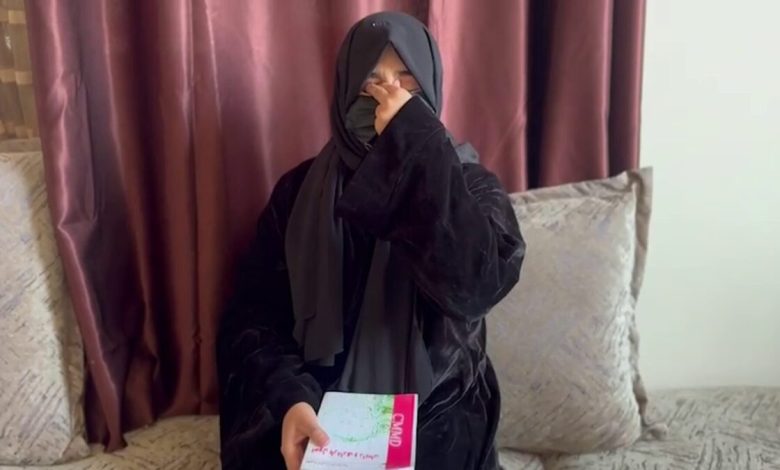
On the International Day of Women and Girls in Science, the United Nations Assistance Mission in Afghanistan (UNAMA) announced that it has been 1,607 days since girls over the age of 12 in Afghanistan have been barred from attending school. The agency warned that the continuation of this situation poses a serious threat to Afghanistan’s future and will have long-term consequences for the country’s development.
In a message posted on its official X (formerly Twitter) account, UNAMA stated that Afghan girls have been deprived of educational opportunities for more than four years, and that without the active participation of women and girls, a bright future for the country cannot be envisioned. The mission once again called on the Taliban administration to immediately lift the ban on girls’ education and facilitate their return to schools and universities.
The United Nations office emphasized that equality in science and education is a fundamental prerequisite for societal progress. According to UNAMA, depriving women and girls of education and work not only marginalizes them but also creates a serious obstacle to sustainable development and long-term prosperity in Afghanistan—an issue that has been repeatedly criticized by international organizations and Afghan citizens over the past four years.
Antonio Guterres, the UN Secretary-General, also highlighted the importance of creating equal opportunities for women and girls in the field of science on this occasion. He stated that every girl should be able to envision her future in science, and every woman should have the chance to advance in her scientific career.
Guterres added that women still make up less than one-third of researchers worldwide, and their presence in advanced fields such as artificial intelligence and quantum sciences remains limited; a situation that also affects the global pace of innovation and scientific progress. He noted that this year’s commemoration focuses on the synergy between artificial intelligence, social sciences, STEM (science, technology, engineering, and mathematics), and the financial sector to reduce gender barriers and ensure equal access to education and scientific opportunities.
The European Union in Afghanistan also stated that Afghan women, from nurses and midwives to researchers, play a fundamental role in the health and welfare of society. The EU emphasized that women must benefit from science and progress and assured that support for education for all will continue.
Since returning to power, the Taliban administration initially halted education for girls above the sixth grade and subsequently closed university and medical institute doors to women. Despite repeated international calls to uphold the basic rights of women and girls, these restrictions have not only remained but in some cases have expanded. This action has further isolated Afghanistan internationally and deprived millions of girls of their fundamental right to education.