Afghanistan-Pakistan Border Closure Continues, Trade at a Standstill
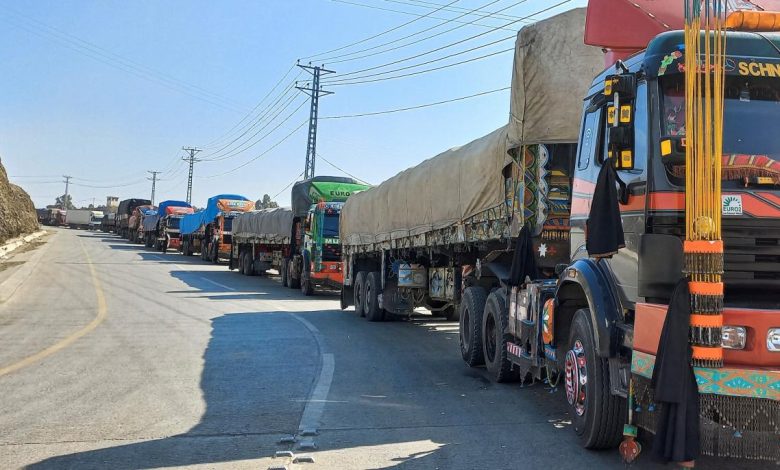
The closure of border crossings between Afghanistan and Pakistan for over three months has disrupted trade and goods transit along one of the region’s crucial routes. Hundreds of cargo trucks carrying commercial goods remain stranded near Torkham and other crossings, with no announced date for reopening.
NPR reported that Afghan and Pakistani drivers carrying shipments of cement, food, and medicine are stuck on both sides of the border. This situation has inflicted significant financial losses on traders and transport companies in both countries and has disrupted the supply chain.
These restrictions began following clashes between Pakistani border forces and Taliban fighters in mid-October. Subsequently, five active trade crossings were closed, suspending the movement of commercial goods.
Pakistani officials cited the Taliban administration’s inability to prevent armed groups from operating from Afghan territory as the reason for this action. In contrast, the Taliban administration rejected this claim and described the border closures as political and economic measures against Afghanistan.
However, critics inside Afghanistan say the ongoing border tensions and lack of effective foreign policy management by the Taliban administration have imposed heavy costs on the country’s economy. They believe that the private sector and ordinary residents bear the brunt of this situation.
Simultaneously, the Taliban administration is attempting to activate alternative trade routes with India, Iran, and China, requesting India to facilitate transit through the Chabahar port. Nonetheless, economic experts emphasize that until border tensions with Pakistan are resolved, pressure on Afghanistan’s domestic markets and regional trade will continue.