UN Security Council Report Confirms Active Terrorist Groups in Afghanistan
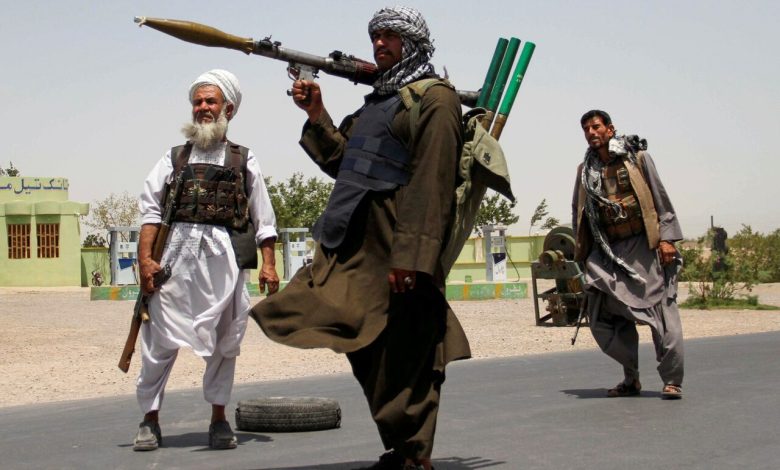
A recent report by the analytical and sanctions monitoring team of the United Nations Security Council confirms that terrorist groups remain present and active in Afghanistan, contradicting the Taliban administration’s claims that such groups are absent from the country. The report states that no country has accepted the Taliban’s assertion regarding the non-existence of terrorist group activities in Afghanistan.
According to the Pakistani newspaper Dawn on Wednesday morning, January 31, attacks by armed groups originating from Afghan soil into Pakistan have significantly increased. This situation has heightened security tensions between the two countries and raised regional concerns.
The report indicates that the Taliban administration has created a conducive environment for the Tehrik-i-Taliban Pakistan (TTP) and other groups to operate. The continuation of this situation raises serious questions about the Taliban’s commitment to combating terrorism and ensuring regional security.
The report further adds that Al-Qaeda in Afghanistan continues to train and support the TTP, with the presence of the subcontinent branch leadership of the network in Kabul prompting concerns about potential planning of cross-border operations. Additionally, the Islamic State Khorasan Province (ISKP) remains active near the northern borders of Afghanistan and Pakistan, possessing considerable capabilities.
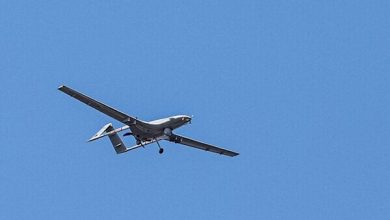
Another section of the report highlights the dispersal of advanced weaponry, including modern arms, sniper systems, night vision equipment, and attack drones in the possession of the Taliban, which has increased the TTP’s operational capacity to launch attacks against Pakistani security forces.
In its conclusion, the UN Security Council described the threats arising from the activities of terrorist groups in Afghanistan as a serious concern for regional security and stressed the implications of their cross-border impacts.