Fawzia Koofi Condemns Escalating Restrictions on Afghan Women under Taliban Rule
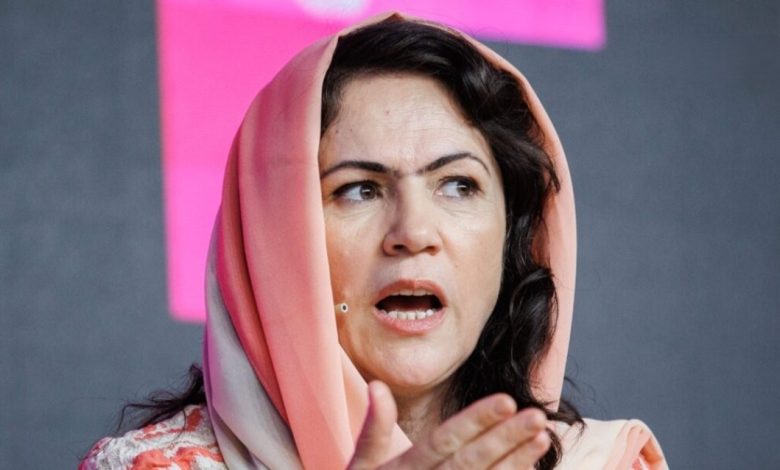
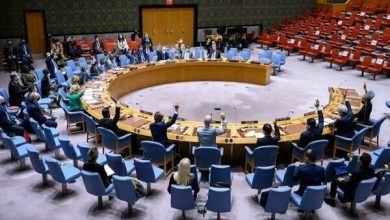
Fawzia Koofi, former member of the Afghan Wolesi Jirga and women’s rights activist, has criticized the ongoing and escalating restrictions imposed by the Taliban administration on Afghan women and girls, questioning the silence of the United Nations and the global diplomatic community. Referring to a recent report by the United Nations Assistance Mission in Afghanistan (UNAMA), she highlighted that since September of last year, female Afghan employees in the mission have been forbidden from going to their offices. According to Koofi, this move signals the systematic exclusion of women from official and social structures. Koofi warned that Afghan women and girls are being deliberately sidelined from all spheres of life, especially education and employment. She added that this trend not only violates women’s fundamental rights but also poses a serious threat to the country’s social and economic future. The women’s rights advocate also referenced a new decree issued by the Taliban administration on January 4 of this year, which, according to her, defines women not as humans but as “property.” Under these regulations, women are not even permitted to leave the house for sports or exercise. Koofi further described a dire situation in the health sector, noting that female doctors and medical students have been barred from continuing their education, driving the country’s healthcare system toward collapse, with direct consequences for the public health of Afghanistan’s population. Criticizing international diplomats, Koofi said they witness these conditions firsthand yet greet Taliban officials with smiles and behave as if everything is normal. She asked, “When will you wake up? Before this fire reaches you as well.” These statements come as UNAMA, in its recent report, noted an increase in restrictions placed on women and reported the mysterious killings of several former government personnel, further heightening concerns about human rights and security in Afghanistan.