UNAMA: Afghanistan Ranks Third Globally in Mine-Related Casualties, Children Most Affected
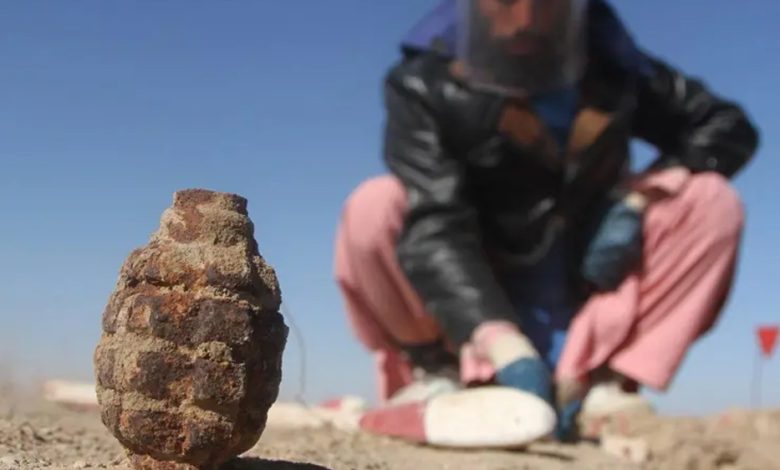
The United Nations Assistance Mission in Afghanistan (UNAMA) has declared that Afghanistan ranks as the third most affected country worldwide in terms of the highest number of casualties caused by landmines and unexploded ordnance left over from war – a threat that predominantly claims the lives of children.
On Tuesday, 2 February, UNAMA stated in a message that approximately 80 percent of the victims of these mines and unexploded devices are children. According to the organization, children often come into contact with explosive materials while playing in contaminated areas, resulting in injuries or fatalities.
Emphasizing the widespread danger, the UN assistance office has called for sustainable financial support for non-governmental organizations (NGOs) engaged in demining activities. UNAMA pointed out that these organizations work daily to clear mines and other deadly war remnants and simultaneously educate local residents across the country about the existing risks through awareness programs.
The office added that awareness-raising and collective action could save thousands of lives and urged citizens not to touch any suspicious or unknown items they encounter and to report them immediately to responsible authorities.
Based on provided data, due to several decades of conflict, vast areas of Afghanistan remain contaminated with landmines and explosive remnants of war—a situation requiring serious attention and effective action by the Taliban administration to protect civilians, especially children.
Meanwhile, the organization “Halo Trust,” active in demining efforts, previously reported that about 50 people are killed or injured each month in Afghanistan due to explosions from mines and explosive remnants. According to Halo Trust, approximately 6.4 million people in the country face direct risks from explosive devices.
According to United Nations statistics, around 3.3 million people in Afghanistan live within a one-kilometer radius of mine- and unexploded ordnance-contaminated areas, a figure that raises concerns about the persistence of this humanitarian crisis.