Widespread Unemployment in Kabul Exacerbates Economic Hardship for Families
Widespread unemployment and the lack of stable job opportunities in Kabul have become one of the most serious daily challenges for the city’s residents, increasing economic pressure on families. Citizens say that without a steady income, paying rent, electricity bills, and other basic expenses has become a constant worry.
Several Kabul residents emphasize that with each passing month, living conditions worsen, and the absence of work has made life planning impossible. Some call for greater utilization of local projects and companies. Mohammad Farhad, a Kabul resident, says that instead of hiring foreign workers, unemployed Afghan youth could be employed in ongoing projects.
Meanwhile, a group of young people speak about ongoing unemployment and despair about finding jobs. Ubaidullah, a resident of Kabul, says that due to the lack of work, he was forced to migrate, and he urges the Taliban administration to seriously and effectively address the youth unemployment crisis—a demand reflecting widespread dissatisfaction with the effectiveness of current policies.
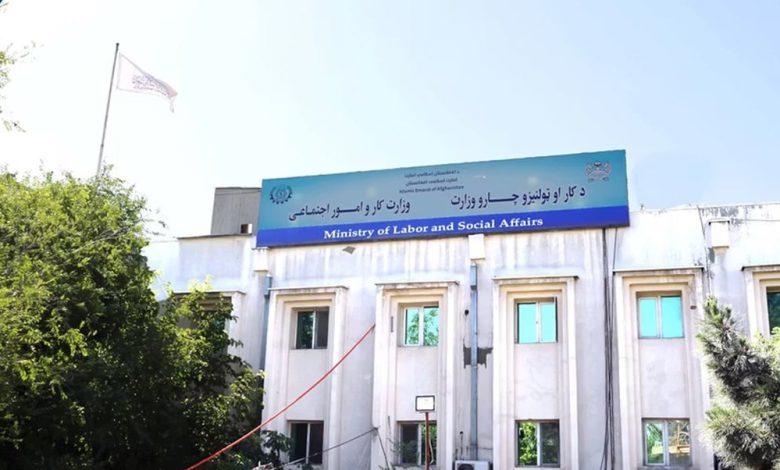
In contrast, the Taliban’s Ministry of Labor and Social Affairs has stated that it has taken steps over the past year to reduce unemployment. According to the ministry, over 85,000 Afghan citizens and foreign nationals were issued work permits last year and have begun working in the private sector and Taliban-affiliated institutions.
The ministry also says that technical and vocational training opportunities have been provided to more than 20,000 citizens across various sectors. Samiullah Ebrahimi, spokesperson for the Ministry of Labor and Social Affairs, describes these actions as part of programs to reduce unemployment.
The ministry added that talks have been held with officials from Iran, Russia, the United Arab Emirates, Saudi Arabia, and Oman to explore the possibilities of sending Afghan workers abroad—a matter that, given the challenging conditions of work and migration outside the country, requires transparency, guarantees of workers’ rights, and clear accountability from responsible agencies.