UNDP Reports Majority of Afghan Citizens Lack Access to Reliable Electricity Amid Energy Crisis
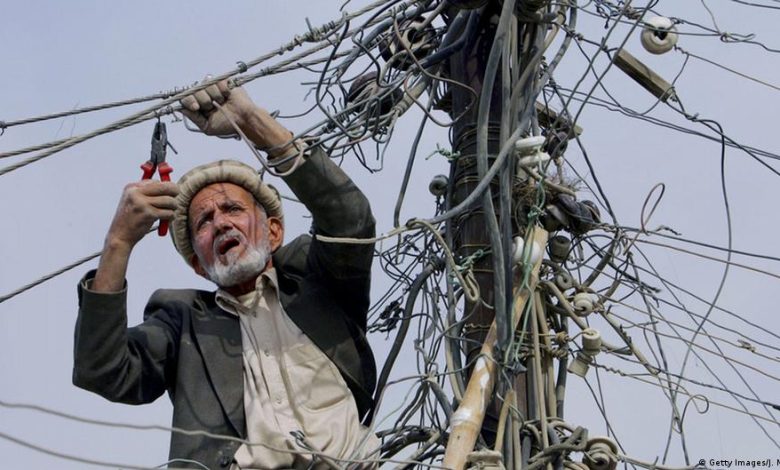
The United Nations Development Programme (UNDP) has stated that Afghanistan is facing a serious energy crisis, with the majority of its citizens still lacking access to reliable electricity—a situation severely impacting daily life and essential services.
On Monday, 26 January, UNDP released a report indicating that over 80 percent of Afghanistan’s population is deprived of sustainable electricity, and the country’s energy grid is unable to meet the demands of its growing population. According to UNDP, domestic production capacity is limited, and the existing infrastructure remains worn out and inefficient.
The report further notes that a significant portion of Afghanistan’s electricity consumption is imported from neighboring countries; these imports are often unstable and unreliable due to technical problems and poor coordination. This dependency has increased the vulnerability of the country’s energy network.
UNDP added that Afghan households receive only an average of five to ten hours of electricity per day, and in many areas, sudden power outages have become a common occurrence.
The United Nations has warned that the consequences of this situation go beyond household inconvenience. The lack of reliable electricity can be deadly for hospitals and health centers, as power disruptions pose serious risks to surgeries, emergency services, and critical care. Meanwhile, the absence of effective and responsive planning by the Taliban administration to develop energy infrastructure has heightened concerns over the persistence of this crisis.