Rahmatullah Nabil Warns Against Political Use of Religion in Afghanistan Amid Taliban Penal Code Controversy
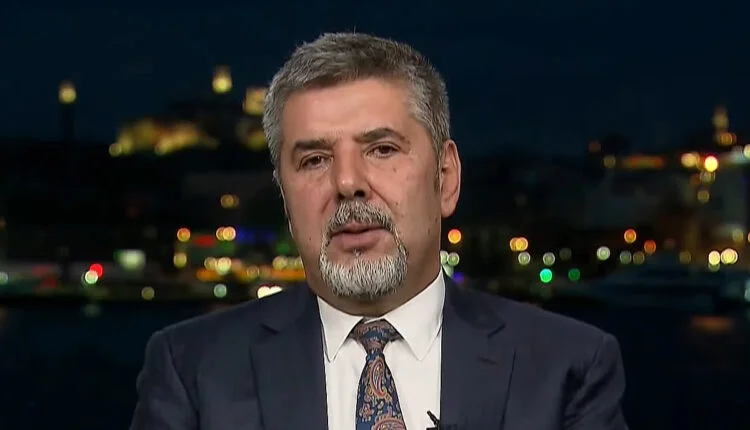
Rahmatullah Nabil, the former head of Afghanistan’s National Security, has warned that the political use of religion damages both the sanctity of religion and the stability of the state. His remarks came in response to the recently announced penal code by the Taliban administration. In a message posted on his X page, Nabil stated that the experience of various nations shows religion retains its respect only when it is not exploited as a tool of political power, and that a government remains stable when it is based on the will of its citizens. He emphasized that the Taliban’s penal code once again demonstrates that rigid and politicized interpretations of religion offer no positive vision for Afghanistan’s future. The former national security chief criticized the Taliban’s approach, saying the time has come to consign extremism to the past and free religion from “the captivity of harsh and politicized interpretations.” He believes that continuing such policies not only harms social unity but also questions the dignity of citizens. Nabil further urged all citizens to mobilize to create “a new national narrative for Afghanistan’s future.” He insisted this struggle should transcend ethnicity, language, and religion, focusing on restoring religion to its moral and human role within the framework of civil life and respect for citizens’ dignity. The Taliban’s penal code has sparked widespread reactions in recent days. The document declares followers of the Hanafi school of Islamic jurisprudence as true Muslims while labeling adherents of other Islamic sects as innovators, raising concerns over restrictions on religious freedoms and deepening sectarian divides in the country.