Taliban Administration Announces New Leadership Changes in Provincial Governance
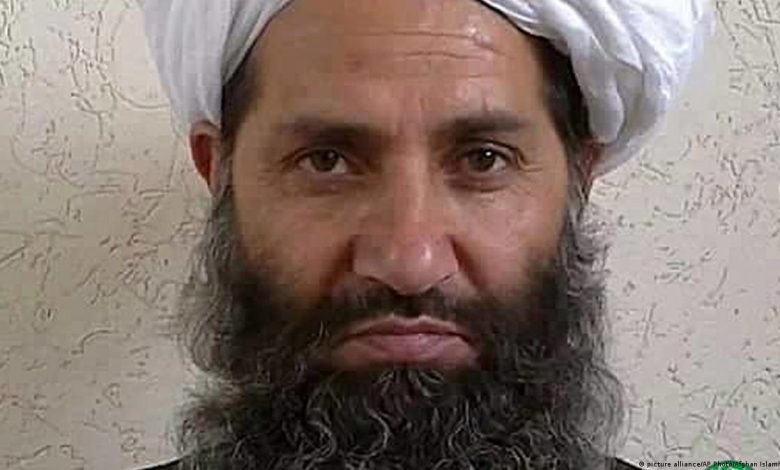
The Taliban administration has announced, based on an order from the group’s leader, new changes in the organizational structure of the Ministry of Interior Affairs and provincial administrations. These changes include transfers of governors, deputy governors, and police commanders in several provinces across the country.
According to information released by Zabihullah Mujahid, the Taliban administration’s spokesperson, Qari Gul Haider Shafaq, who previously served as the governor of Jawzjan, has been appointed as the new governor of Bamyan. Mullah Abdullah Sarhadi, the former governor of Bamyan, has taken over as the governor of Jawzjan. Additionally, Mullah Ahmad Shah Dindoost, the former commander of the 205 Al-Badr Army Corps, has been introduced as the governor of Sar-e Pul.
Continuing these changes, Hafiz Anzargil Abdullah, the former chief of staff of the 201 Khalid bin Walid Army Corps, has been appointed as the deputy governor of Laghman. Mawlawi Ghulam-ur-Rahman Haidari, the former head of the fight against administrative corruption in the General Directorate of Affairs, has been named deputy governor of Nangarhar.
On the other hand, Makhdoom Abdul Khabeer, the former commander of Sar-e Pul Brigade, has been appointed as police commander of Samangan, and Haji Mohammad Ismail Faiz, the former head of intelligence in Kunduz, has been assigned as police commander of Laghman. Several changes have also been announced in Kandahar, where Mullah Abdullah, the former district governor of Maiwand Aala, has been appointed as commissioner of Spin Boldak, and Hafiz Sayed Mohammad Waris, the former commander of the Kandahar Zone Support Battalion, has been named district governor of Maiwand Aala.
Moreover, Mullah Ahmadullah Salem, the former chief of the 8th security zone of Kandahar center, has been introduced as the commander of the Kandahar Zone Support Battalion. These transfers occur while the appointment process within the Taliban administration continues to be conducted without transparency, public participation, or accountable mechanisms; an issue that has consistently drawn criticism from citizens and oversight bodies due to the concentration of power and the lack of clear merit-based criteria.