Pressures on Media Rise: 205 Violations of Journalists’ Rights in Afghanistan in 2025
Media watchdogs have reported that in 2025, journalists in Afghanistan faced a new wave of pressure, threats, and repression from the Taliban administration, further restricting media freedom.
The Afghanistan Journalists Center has reported a 13 percent increase in censorship and violence against the media compared to the previous year, with a total of 205 violations of media rights recorded. According to the report, at least five journalists remain detained in Taliban-run prisons by the end of the year.
Meanwhile, findings from Amoo TV indicate that the Taliban administration, citing Article 17 of the Ministry of Promotion of Virtue and Prevention of Vice law, has banned live broadcasts in 16 provinces of the country. This decision, primarily implemented in provinces under strong Taliban leadership, has severely impacted visual media activities.
These prohibitions have been gradually enforced in the provinces of Kandahar, Takhar, Badghis, Helmand, Nangarhar, Nuristan, Farah, Nimroz, Baghlan, Badakhshan, Parwan, Jowzjan, Zabul, Kunduz, Panjshir, and Bamyan, limiting the scope of visual reporting, documentation, and live broadcasting.
Some journalists, including Hamed Elmi, say these decisions have had a direct effect on media work and have significantly constrained the space for free information dissemination. They believe such policies effectively violate the public’s right to access information.
The Free Speech Center also announced that in 2025, at least 15 visual media outlets were shut down by Taliban orders, and 23 restrictive directives contrary to media laws were issued. These actions have posed serious challenges to the continued operation of independent media.
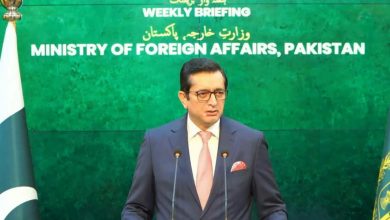
Concerns are not limited to inside Afghanistan. Several Afghan journalists who fled to Pakistan to escape Taliban threats have faced arrest, intimidation, and even deportation.
Many journalists warn that the continuation of this situation could lead to the destruction of independent journalism in Afghanistan. Since the Taliban’s return to power on August 15, 2021, dozens of new directives and restrictions have forced hundreds of media outlets to cease operations, resulting in an unprecedentedly restricted media landscape in the country.