Food Prices Surge in Afghanistan During Qaws Month, Straining Household Livelihoods
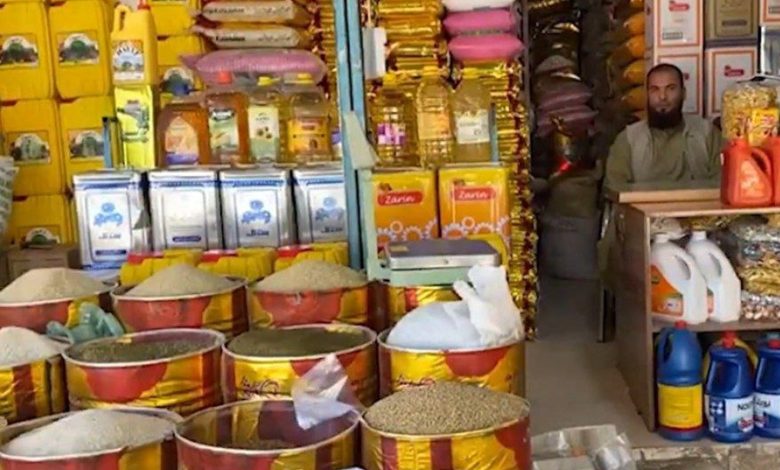
The National Statistics and Information Authority has reported a significant increase in food prices in Afghanistan during the month of Qaws 1404, placing considerable pressure on household livelihoods and raising concerns about residents’ purchasing power.
According to the report, the overall price of food items rose by 4.2 percent this month, with grains increasing by 3.5 percent, edible oils by 13.9 percent, and vegetables by up to 29 percent—items that constitute a major part of the average consumer basket.
In addition, the cost of non-food items has also risen by 1.9 percent. Statistics indicate that clothing prices increased by 3.1 percent, while healthcare and treatment expenses climbed by 17.2 percent, making access to essential health services more difficult for the population.
The National Statistics and Information Authority further noted that the monthly inflation rate of the consumer price index for Qaws 1404 reached 2.8 percent. This rise is primarily attributed to price increases in both the food and non-food sectors.
Furthermore, year-on-year inflation for the month of Qaws compared to the same time last year has risen by 9.6 percent, reflecting the continued economic pressure exerted on citizens.
On the monetary front, the authority stated that the Afghan afghani’s value against the US dollar has increased by 4.2 percent compared to the same period last year. However, experts believe that this relative strengthening of the afghani, in the absence of effective regulatory and supportive policies from the Taliban administration, has not prevented the rise in essential goods prices nor the decline in people’s purchasing power.