UNHCR Report Highlights Better Conditions for Afghan Returnees from Iran Compared to Pakistan
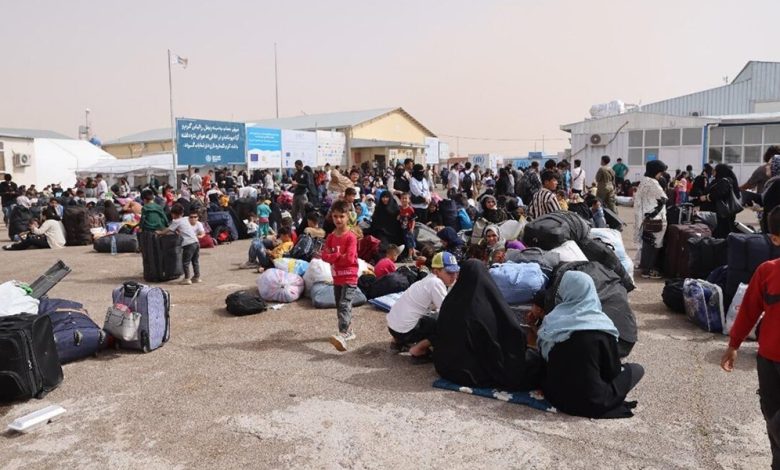
The United Nations High Commissioner for Refugees (UNHCR) has released its latest post-return assessment report, revealing significant differences in the conditions of Afghan returnees coming from Iran and Pakistan. According to the report, returnees from Iran generally have better access to education, food security, and adequate shelter, while many returning from Pakistan face severe economic challenges.
The report states that returnees from Pakistan largely depend on daily wage labor and carry heavy debts. Additionally, these families, especially new arrivals, mostly live in rented houses and struggle significantly with paying rent. In contrast, a considerable number of returnees from Iran either own homes or have access to a place to live through inheritance.
UNHCR added that debt levels among returnees from Iran are lower, and there is no significant difference between female-headed and male-headed households in this regard. The agency warned that returnees from Pakistan have particularly limited access to safe drinking water and healthcare services—a matter requiring urgent attention from responsible institutions inside Afghanistan.
According to UNHCR data, 2,827 Afghan migrants returned from Iran and Pakistan to the country in a single day. The agency reminded that, despite numerous challenges over the past four decades, Iran has been one of the largest refugee-hosting countries globally, with a significant portion of this population being Afghans who fled their country due to war, insecurity, and poverty.
The agency cautiously noted that Iran hosts hundreds of thousands of ‘Amayesh’ cardholders and millions of other migrants with varied residency statuses, while simultaneously facing widespread economic pressures. UNHCR warned that a serious shortage of international funding for addressing refugees’ humanitarian needs has complicated support efforts for returnees.
As the wave of returns continues, the lack of effective planning, basic services, and job opportunities within Afghanistan has drawn criticism of the Taliban administration’s inability to manage the returnee crisis. This has heightened concerns about worsening poverty and social instability.