Thailand and Cambodia Agree on Immediate Ceasefire Along Disputed Border
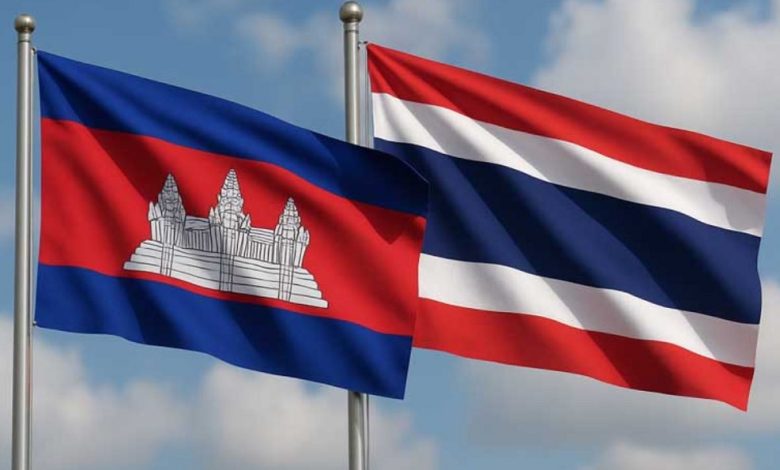
Thailand and Cambodia agreed on Saturday to an immediate ceasefire along their contested borders, ending the fiercest clashes between the two countries in recent years. The ceasefire is set to take effect from noon the same day.
In a joint statement by the defense ministers of both countries, it was announced that military forces will remain in their current positions, with no troop movements or reinforcements to be made. Defense officials warned that any increase in forces could escalate tensions and undermine long-term efforts to resolve the conflict.
The agreement was signed after 20 days of continuous fighting, which involved the use of fighter jets, rockets, and artillery. This conflict resulted in the deaths of at least 101 people and displaced over half a million residents on both sides of the border.
The recent clashes began in early December following the collapse of a previous ceasefire brokered by U.S. President Donald Trump and Malaysian Prime Minister Anwar Ibrahim. Since then, efforts to revive the ceasefire had failed, with the scope of the battles extending from forested areas near Laos to coastal provinces along the Gulf of Thailand.
Under the agreement, ASEAN (Association of Southeast Asian Nations) will oversee a monitoring team to supervise the ceasefire. Additionally, direct communication channels will be established between the defense ministers and senior military commanders of both countries.
Both parties also emphasized the gradual return of displaced residents to the border areas and committed to refraining from any use of force against civilians. Thailand agreed to release 18 Cambodian soldiers detained during the conflict if the ceasefire holds for 72 hours.
However, the agreement explicitly states that the ceasefire does not affect ongoing border demarcation efforts. The resolution of territorial disputes will continue through bilateral mechanisms, as the disagreement has shadowed parts of the 817-kilometer border for over a century.
Thai officials responding to the agreement stressed that the conflict between governments should not be seen as enmity between the peoples of the two countries, and that lasting peace is the only way to alleviate the suffering of border area residents.