Former Afghan Ambassador Warns That Eliminating Academic Staff Will Lead to Long-Term Dependency
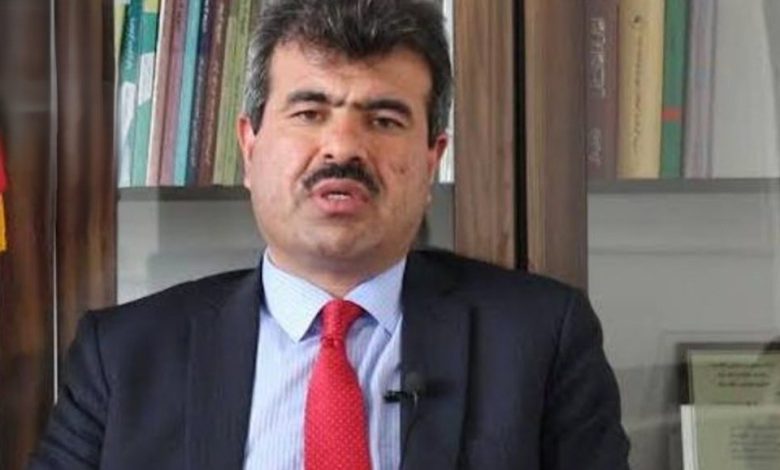
Abdul Ghafour Lewal, former Afghan ambassador to Tehran, has warned that weakening and removing academic staff could drive Afghanistan into sustained dependence on foreign specialists—a situation that, he says, contradicts the country’s real capacities prior to 2021.
Lewal stated that before the recent political changes, despite challenges, Afghanistan had a significant number of PhDs, master’s graduates, and talented bachelor’s degree holders. The transfer of knowledge from experienced professors to younger generations was naturally ongoing at universities. According to him, many of these individuals had studied abroad and returned to the country after graduation.
Referring to Afghanistan’s historical background, Lewal mentioned Ghazni during the Ghaznavid era, noting that the city once hosted scholars such as Ibn Sina and Abu Rayhan al-Biruni. He believes this example demonstrates the land’s longstanding capacity for generating and attracting knowledge.
Comparing this historical experience with today’s global context, he added that just as the United States became a global power over centuries by attracting and retaining scientific elites, Afghanistan could have also followed a path of sustainable progress relying on its scientific cadres.
He emphasized that any society that sacrifices scientific expertise in favor of superficial, arbitrary, or prejudiced criteria will inevitably have to depend on foreign specialists to manage its fundamental affairs.
These remarks come amid reports that since the Taliban’s return to power, many university professors and academic staff have been dismissed or forced to resign and leave the country due to extensive restrictions. This process has drawn widespread criticism regarding the future of higher education in Afghanistan.
Furthermore, in recent months, reports and allegations of the dismissal of Afghan professors and the hiring of Pakistani professors by the Taliban administration have raised concerns about weakening academic independence and neglecting local capacities.