Irregular Power Outages Disrupt Daily Life in Kabul Amid Winter
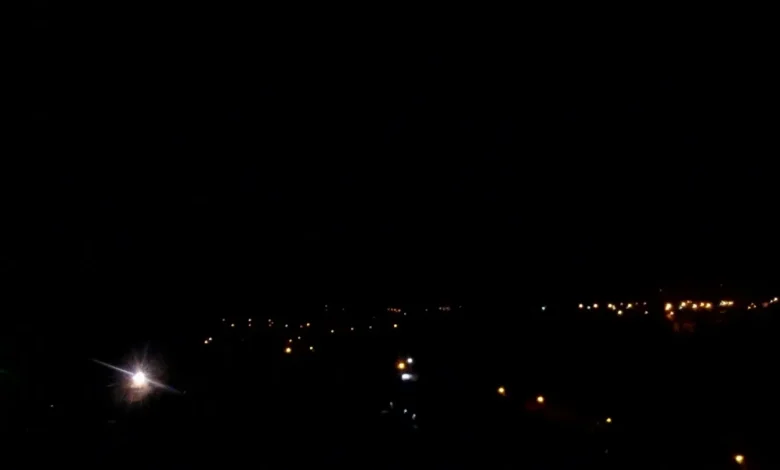
Frequent and irregular power outages during this winter have become the most significant daily challenge for thousands of Kabul residents; a problem that continues without a clear schedule, making the normal use of electrical appliances difficult.
Kabul residents report that electricity is supplied at unpredictable hours, sometimes turning on in the middle of the night only to be cut off again shortly afterward. According to them, the absence of a regular power distribution schedule has created serious problems in managing household affairs, work, and education, and they expect the Taliban administration to provide a clear and practical solution.
This situation is not limited to residential homes but has also negatively impacted economic activities, shops, and urban services. Some business owners say sudden outages have led to decreased income and disruptions in service delivery.
The Breshna Company has confirmed the electricity shortage in Kabul and announced that to reduce outages, a thermal power plant has been activated for ten hours per day. According to the company, this plant produces 70 to 80 megawatts of electricity and is connected to Kabul’s power grid.
Mohammad Nasser Ahmadi, the planning chief of Breshna Company, claimed that currently about 60 percent of Kabul’s residents have access to 24-hour electricity, and with the completion of ongoing projects within one to two years, the frequency of outages will decrease.
However, experts cite increased winter electricity consumption, technical network problems, and heavy reliance on electricity imports as the main reasons for the continuation of outages. They emphasize that so far, no long-term, transparent, and measurable plan to sustainably resolve the power crisis has been practically presented by the Taliban administration, and this gap has fueled public dissatisfaction.