Closed Border with Pakistan Causes $50 Million Loss in Afghan Grape Exports, Trade Chamber Reports
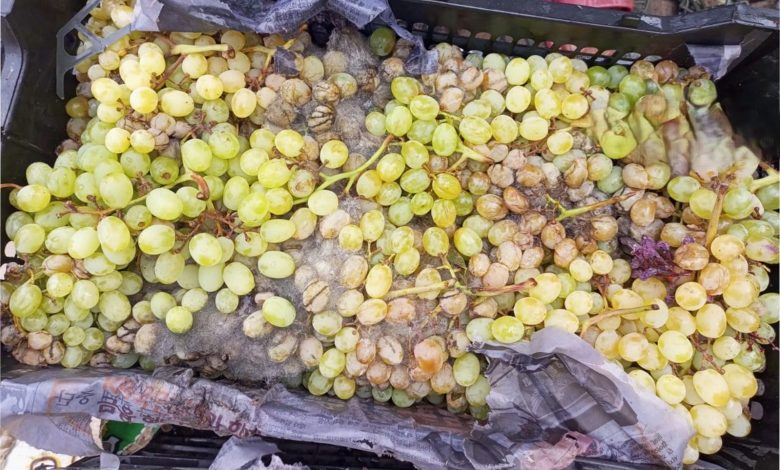
More than two months after the closure of Afghanistan’s border crossings and trade routes with Pakistan, the Afghanistan Chamber of Commerce and Investment reports significant economic losses. Khan Jan Alkhozi, a board member of the chamber, stated that in the grape export sector alone, losses have reached approximately $50 million as farmers’ products have spoiled before reaching the market.
Alkhozi explained that the border closure has harmed not only Afghan traders but also Pakistani merchants. While Afghan grapes spoiled at the border crossings earlier, now Pakistani vegetables remain stuck behind the borders, causing daily losses worth millions of dollars to Pakistan.
The trade chamber board member added that Afghanistan has five major strategic ports with Pakistan, and currently between 10,000 to 15,000 containers of Afghan transit goods are halted at Pakistani ports. He warned that continued stoppage of these goods causes spoilage and loss of commercial value, inflicting heavy daily losses on traders.
Alkhozi also noted that before the closures, monthly trade volume between Afghanistan and Pakistan was around $200 million but has now come to a complete halt. He estimated that approximately $600 million worth of trade has not occurred during this period, factories have stopped operating, and the country’s economy has suffered serious damage.
He cited rising prices of goods in domestic markets and damages to farmers as direct consequences of this situation and warned that if the borders remain closed, the extent of losses will continue to grow daily. This, alongside the lack of clear solutions from the Taliban administration to resolve border disputes, has heightened concerns about the future of trade and the livelihoods of residents.
Afghanistan’s border and trade crossings with Pakistan were closed following eight days of clashes between Pakistani forces and the Taliban. Despite more than two months passing, the two sides have yet to reach an agreement to reopen these vital routes.