Air Pollution Worsens in Kabul Amid Increased Use of Polluting Fuels
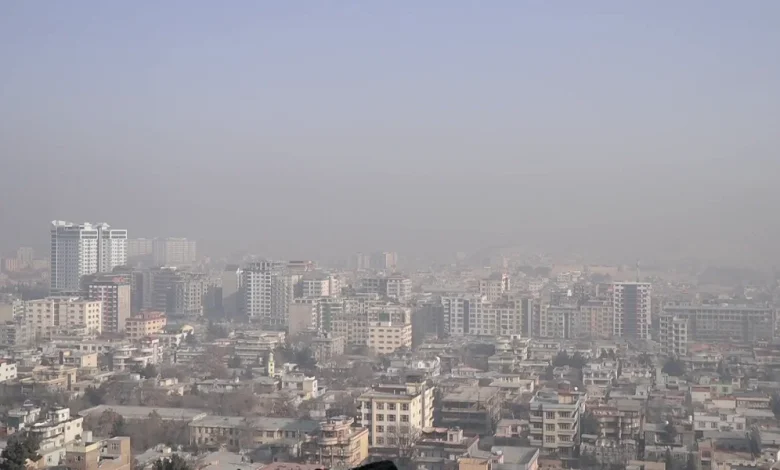
Air pollution in Kabul has significantly worsened due to the increased use of smoke-producing fuels, as poverty and economic hardship continue to rise. The deteriorating air quality has become one of the most pressing daily challenges for the city’s residents.
A number of Kabul residents say that financial difficulties have forced families to turn to coal, plastic, and low-quality fuels instead of standard heating materials. Mohammad Islam, a resident, said many people cannot afford firewood and, along with smoke-emitting vehicles, these materials are the main contributors to the pollution.
Meanwhile, some citizens have called on the Environmental Protection Department to create green spaces in various parts of Kabul to help reduce air pollution. This demand has been raised several times in the past but has yet to receive a satisfactory and practical response.
Officials from the National Environmental Protection Agency and Kabul Municipality, both operating under the Taliban administration, say they continue to monitor fuel usage, polluting vehicles, and residential buildings, and are searching for alternative solutions. Mohibullah Bahar, spokesperson for the agency, stated that they are working with Kabul Municipality and the Traffic Department to control the primary sources of pollution.
According to Nematullah Barakzai, a representative of Kabul Municipality, thousands of bathhouses, high-rise buildings, and factories have been inspected during operations. Some were shut down for failing to comply with environmental regulations, while others were allowed to resume operations after making necessary improvements.
Separately, the Traffic Department has recently asked owners of smoke-emitting vehicles to refrain from driving in the city. However, residents say this measure is insufficient and stress the need for more effective policies and accountability from responsible institutions.