Urban Expansion and Climate Change Threaten Afghanistan’s Cultural Heritage
The United Nations Human Settlements Programme (UN-Habitat) has warned that unchecked urban expansion and the escalating impacts of climate change are posing a serious threat to Afghanistan’s cultural and historical heritage. The agency stated that many ancient and historic areas in Afghan cities are being destroyed due to unregulated and poorly planned development.
According to UN-Habitat, preserving historic neighborhoods is not only essential for maintaining the identity and pride of cities, but also plays a crucial role in fostering social cohesion and reminding citizens of their shared history. Experts in the field have stressed that if current trends continue, a significant portion of the country’s cultural fabric could be lost forever.
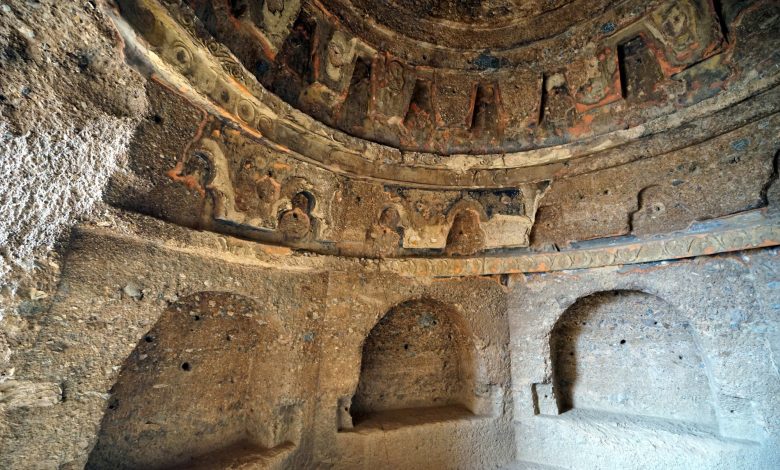
An image released by the agency features a historic site in Bamiyan, once recognized as part of UNESCO’s World Heritage. Bamiyan, formerly a center of civilization and cultural exchange in the region, now exemplifies the vulnerability of Afghanistan’s historical heritage to climate change and uncoordinated urban growth.
Cultural activists have urged the Taliban-led administration to collaborate with international organizations in developing clear policies for the preservation and restoration of historical landmarks. However, since the Taliban’s takeover, many restoration projects have either been halted or severely restricted, exacerbating concerns about the future of the nation’s cultural legacy.