Border Closures Halt Pakistan’s Pharmaceutical Exports to Afghanistan
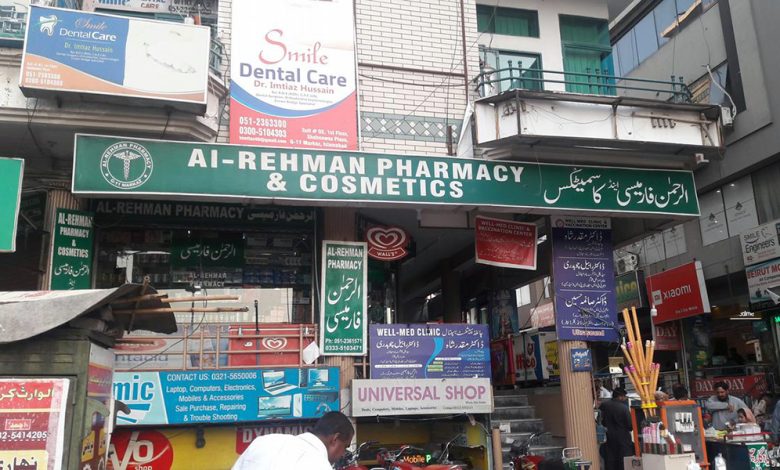
Repeated closures of the Torkham and Chaman border crossings have brought Pakistan’s pharmaceutical exports to Afghanistan to a complete standstill, putting some $200 million worth of medicines at risk of spoilage, according to Pakistani pharmaceutical industry officials.
The Pakistan Pharmaceutical Manufacturers Association (PPMA) said that hundreds of freight trucks carrying antibiotics, insulin, vaccines, cardiac medications, and other vital supplies are now stranded at border crossings, dry ports, and warehouses across the country. One pharmaceutical company reported that a shipment worth approximately 850 million Pakistani rupees is stuck at the border, with over 50 other companies facing similar issues.
Tawqirul Haq, a representative of the association, described the situation as an “existential threat” to the pharmaceutical sector. He warned that the suspension of exports not only damages economic relations with Afghanistan but also negatively affects Pakistan’s trade routes with Central Asian countries such as Uzbekistan, Tajikistan, Turkmenistan, and Kazakhstan.
He added that the halt in exports to Afghanistan has dealt irreparable financial blows to many factories, and some investors are now considering rerouting their trade operations. Experts say that the ongoing regional trade disruptions are undermining pharmaceutical exports and threatening large-scale initiatives such as the Pakistan-Uzbekistan-Afghanistan railway project.
Meanwhile, economic experts stress that the Taliban administration must cooperate with its neighboring country to implement measures for reopening the crossings and facilitating the flow of medical supplies. They warn that if the situation persists, it could further worsen drug shortages in Afghanistan and aggravate public health challenges.