Taliban Executes Alleged Killer Using 13-Year-Old Survivor in Public Spectacle
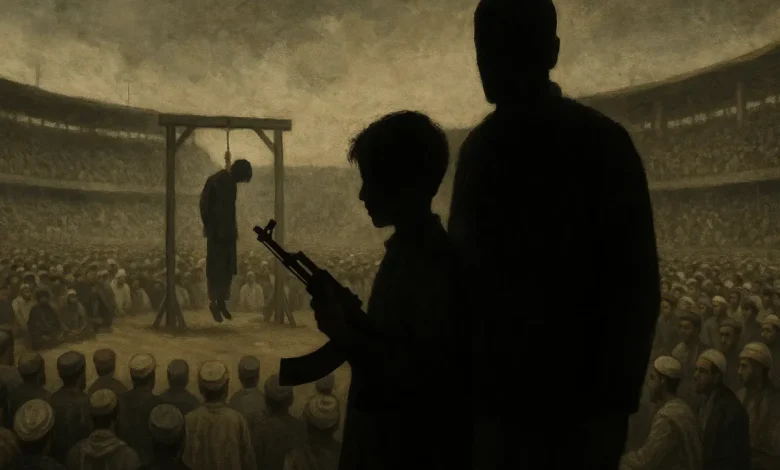
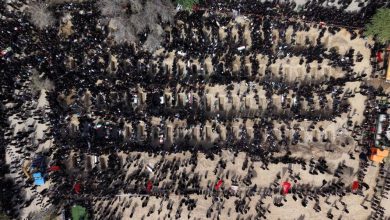
Khost, Afghanistan experienced a horrifying and tragic day last week (December 2), when the Taliban carried out a public execution at the city’s main stadium. The sentence, intended as qisas (retributive justice) for a man accused of murdering 13 members of a single family — including a mother and nine children — took a shocking turn when a 13-year-old boy, a surviving member of the same family, was handed a gun to carry out the execution himself. The boy, already traumatized by the loss of his family, was made the executor of death in front of a massive crowd.
According to reports, nearly 80,000 people — including young children — witnessed the chilling event.
Beyond the lack of transparency in legal proceedings, the absence of independent legal counsel, security pressures, and the failure to uphold fair trial standards, the decision to have a child perform an execution goes far beyond any judicial act. It represents a serious violation of children’s rights and universal human values. A child who should be nurtured in a safe environment was instead thrust into the role of executioner before cameras and a massive audience — a traumatic experience with potential long-lasting psychological impacts.
The incident highlights how the Taliban not only fails to protect children but also exploits them for public displays of power and violence.
Socially, staging such an event with families and children in attendance normalizes violence and traps society in a cycle of fear, helplessness, and horror. Whether out of coercion, curiosity, or societal pressure, the presence of thousands of spectators in the stadium is deeply concerning. It signals that brutality is becoming a normalized part of daily life, increasing desensitization and posing long-term cultural and psychological consequences.
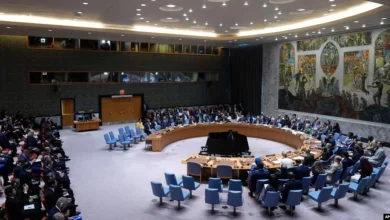
Politically, the Taliban uses such spectacles to portray itself as enforcers of Sharia law and to consolidate power internally. However, on the international stage, these actions further erode the group’s legitimacy and intensify political isolation. The swift and strong condemnation by the United Nations and human rights organizations reflects how the global community sees such events as clear violations of human and child rights.
This public execution is more than a criminal case; it is emblematic of a ruling system that weaponizes violence for public intimidation. It redefines justice as public spectacle instead of fair adjudication. Afghanistan today, more than ever, requires the attention and support of the international community, the media, and human rights institutions to break this cycle of violence. When children are made executors of death, there can be no talk of a healthy, just, or safe society.
✍🏻 Seyed Mostafa Mousavi