Russia Raises Alarm Over Growing IS-K Threat in Central Asia
Eurasia Review has reported that Russian officials are increasingly alarmed by the growing activities of the Islamic State Khorasan Province (IS-K) in Afghanistan, warning of a possible spillover of terrorist threats into Central Asia. According to the report, the Kremlin considers Afghanistan a vital gateway between South and Central Asia, viewing instability there as a direct threat to its national security.
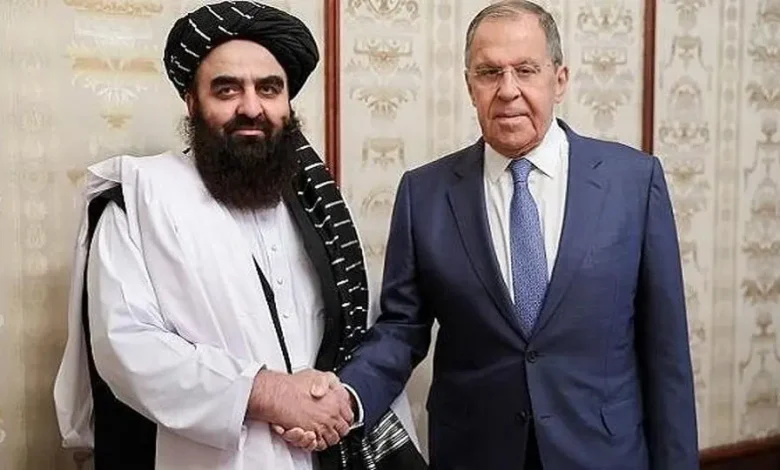
Following the withdrawal of U.S. forces in 2021 and the Taliban’s takeover of Kabul, Moscow has sought to expand its engagement with the Taliban administration. As part of this strategy, on April 17, 2025, Russia’s Supreme Court removed the Taliban from its list of terrorist organizations—a move interpreted as part of a new policy aimed at initiating direct dialogue with the Taliban to manage regional threats.
However, the deadly attack on Moscow’s Crocus City Hall concert venue in March 2024, claimed by IS-K, reaffirmed the persistent danger posed by the group. IS-K was also behind a deadly bombing at Kabul airport’s Abbey Gate in August 2021 that resulted in heavy casualties.
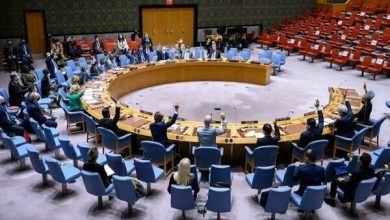
The report notes that Russia fears extremist groups may exploit the porous borders of Central Asia to spread instability to countries north of Afghanistan—an issue that could seriously endanger Russia’s internal security. Vasily Nebenzya, Russia’s representative to the United Nations, warned during a UN Security Council session on November 20, 2025, that the risk of terrorist activities spilling over is “very real.” He also emphasized that IS-K continues to receive external funding and retains experienced fighters who were active in the Middle East.
While the Taliban administration has denied these concerns, claiming it would not allow Afghan territory to be used against any other country, multiple reports—cited by the outlet—indicate the Taliban has failed to uphold its security commitments and has even supported groups such as Tehrik-i-Taliban Pakistan (TTP), which has claimed responsibility for several attacks in Pakistan.
In a recent Commonwealth of Independent States (CIS) meeting in Moscow, Secretary of the Russian Security Council Sergei Shoigu stated that the threat of extremist fighters entering from Afghanistan remains serious and requires close regional cooperation. Meanwhile, Anna Evstigneeva, Russia’s Deputy Permanent Representative to the UN, stressed that the Taliban’s counterterrorism efforts are insufficient and warned that the expanding presence of IS-K could have severe implications for the region.
In conclusion, Eurasia Review notes that while Moscow continues to engage the Taliban administration tactically, the absence of a reliable counterterrorism framework could facilitate IS-K’s rapid expansion in Central Asia and beyond. The outlet underscores the need for a coordinated international approach that combines diplomatic pressure, intelligence sharing, and enhanced border management to prevent Afghanistan from becoming a base for global terrorist networks.