Afghanistan Exports First-Ever Cotton Shipment to Russia
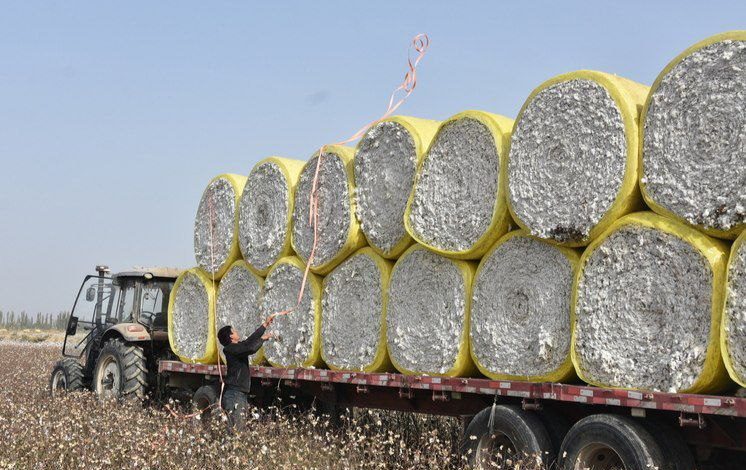
For the first time in the history of trade relations between Kabul and Moscow, a shipment of cotton has been exported from Afghanistan to Russia. According to a report by Russia’s RTV television network on Saturday, December 5, the trial shipment, weighing 45 tons, has been delivered to warehouses of textile companies in the Ivanovo region.
The cotton was imported by PrimeTex, a Russian company that sources raw materials for spinning. The firm’s director, Dmitry Bakarinov, stated that the idea for the import was suggested by Uzbek partners and that, following successful technical testing of Afghan cotton samples, two trial shipments were sent to Russia.
Russia’s Federal Service for Veterinary and Phytosanitary Supervision confirmed to RTV that the country had no prior experience importing cotton from Afghanistan. Bakarinov added that the cotton’s quality is currently being evaluated by Russian textile factories, and if consistent quality and fair pricing are ensured, larger imports may follow.
He also noted that there are future plans to import not just raw cotton but also yarn produced from Afghan cotton in Uzbek factories. This move could potentially pave the way for a new phase of trilateral cooperation among Afghanistan, Uzbekistan, and Russia.
Cotton in Afghanistan is mainly cultivated in northern provinces such as Balkh, Kunduz, and Jawzjan, which are known for producing long-staple cotton. This variety, with fibers up to 35 millimeters in length, is used in manufacturing high-quality textile fabrics.
Earlier in June, Nooruddin Azizi, acting head of the Taliban-run Ministry of Industry and Commerce, told Russian media that Afghanistan was ready to export various goods—including fruit, saffron, carpets, and cotton—to Russia. He also invited Russian companies to invest in Afghanistan’s mining, agriculture, and energy sectors.
The report added that the Taliban aim to increase exports to Russia. Conversely, Russia supplies products such as oil, gas, and wheat to the Afghan market. However, serious concerns remain over the sustainability of such trade ties due to a lack of transparency, the absence of standard export infrastructure, and the Taliban administration’s lack of international recognition.