Trade Halt with Afghanistan and Rising Costs Limit Growth of Pakistan’s Textile Exports
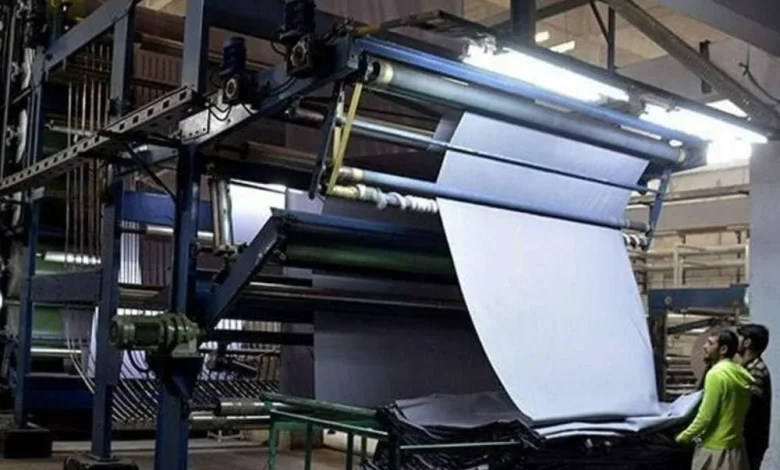
Pakistan’s textile and apparel exports from July to October 2026 reached $6.797 billion, marking a 6.35 percent increase compared to the same period last year. However, Pakistani newspaper Dawn has described this growth as limited relative to the export potential of the industry and cited the halt in trade with Afghanistan as a contributing factor.
According to Dawn, Pakistan’s trade exchanges with Afghanistan have stopped since October 2025. This situation has restricted Pakistani exporters’ access to the Afghan market and has also impacted regional trade and the activities of businesses involved in exports.
A decline in exports to Middle Eastern countries, especially the United Arab Emirates, has also put pressure on Pakistani manufacturers. Dawn reports that ongoing regional conflicts and disruptions to transport routes have increased shipping costs and made exporting cargo more challenging.
Rising raw material prices and production costs have been reported as additional obstacles for the industry. These factors have reduced manufacturers’ profit margins and weakened the competitiveness of Pakistani products, according to Dawn.
Data published by Pakistan’s Bureau of Statistics and featured by Dawn show that during the reviewed period, ready-made garment exports increased by 13.91 percent in value and 17.62 percent in volume. Knitwear exports also rose by 3.97 percent in value.
Conversely, exports of cotton fabric fell by 4.44 percent, while exports of bed sheets and bedding products declined by 0.7 percent. The largest decrease among certain product categories was seen in exports of tents, tarpaulins, and similar items, which dropped by 34.07 percent.
In terms of raw materials, Pakistan’s imports of raw cotton grew by 21.55 percent, whereas imports of synthetic fibers declined by 14.40 percent. The textile industry remains a vital sector for Pakistan’s economy and a significant source of foreign exchange earnings.