UNAMA Highlights Afghanistan’s Islamic Art Heritage Amid Cultural Restrictions Concerns
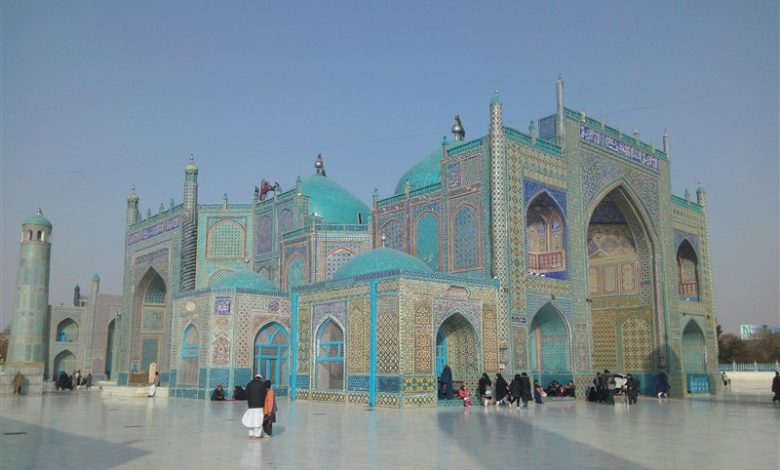
On the occasion of World Islamic Art Day, UNAMA recognized Afghanistan’s historical artifacts and handicrafts as integral parts of the cultural and artistic heritage of the Islamic world. This commemoration comes amid growing concerns over restrictions on artists’ activities, the exclusion of women from cultural and artistic fields, and diminishing opportunities for education and art production, raising fears about the future of Afghanistan’s cultural heritage and its transmission to future generations.
In its message, the United Nations Assistance Mission in Afghanistan described Islamic art as a reflection of centuries of creativity, wisdom, and cultural connections, emphasizing its role in inspiring communities and strengthening bonds among nations.
UNAMA highlighted authentic carpets, artworks, traditional jewelry, and monuments such as the Shrine of Hazrat Ali (Rawzeh Sharif) and the Great Mosque of Herat as prominent expressions of this heritage. The organization noted that these artifacts demonstrate Afghanistan’s contributions to Islamic art, architecture, and craftsmanship.
Some citizens have also voiced dissatisfaction, criticizing what they see as negligence toward cultural heritage. Critics argue that safeguarding Afghanistan’s art and culture requires supporting artists, protecting freedom of expression, and facilitating cultural and artistic activities.
UNESCO designated November 18 as World Islamic Art Day during its 40th General Conference in 2019 to honor Islamic art from past to present and highlight its role in human civilization.