UN OCHA: Taliban Restrictions Disrupt Humanitarian Response in Afghanistan
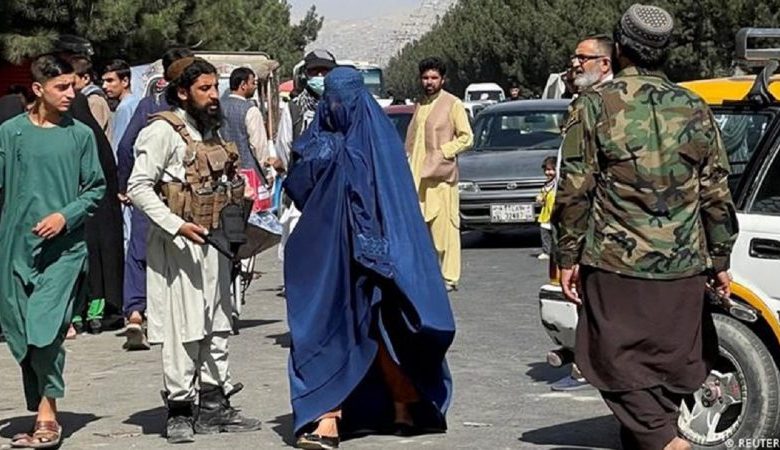
Restrictions imposed by the Taliban administration on the participation of female staff and the access of women and girls to essential services and aid, including hygiene items, have impacted and disrupted the humanitarian response in Afghanistan. The United Nations Office for the Coordination of Humanitarian Affairs (OCHA) described these restrictions as concerning in its latest report.
OCHA reported recording 29 incidents related to humanitarian access in October of this year, 21 of which involved interference with the implementation of humanitarian activities. The agency documented four cases of violence against humanitarian workers, assets, and facilities, three cases of military operations and clashes, and one instance of obstruction in meeting humanitarian needs or rights.
According to OCHA, most of these incidents occurred in the western region, followed by the south and southeast of Afghanistan. Eleven cases were linked to gender-related issues, including restrictions on female teachers and health workers, limited participation of women in livelihood activities, and barriers to their access to hygiene and dignity-related items.
Of the 21 interference incidents, four involved limitations on female staff participation, and another four involved interference in program execution. Three involved delays or difficulties in signing memoranda of understanding, three included requests for sensitive information about staff or aid recipients, and two affected women’s access to services or aid.
OCHA also highlighted other restrictions such as pressure on field operations, unannounced office visits, disputes over land and permits, requirements affecting the movement of humanitarian supplies between provinces, and attempts to influence project design. The agency noted that in several cases, these limitations have disrupted the continuity of educational, health, training, and other humanitarian activities.
OCHA warned that these restrictions may further reduce women’s and girls’ access to essential services and undermine humanitarian organizations’ ability to provide aid in a manner culturally appropriate to the local context. The agency had previously reported Taliban interference in humanitarian affairs and its impact on aid organizations’ access to those in need.
The Taliban administration has not yet responded to OCHA’s latest report but had previously denied interference in humanitarian matters, stating that it oversees the aid distribution process.