Olive Cultivation in Eastern Afghanistan: A Solution Against Drought and a Source of Agricultural Income
Olive cultivation has gained momentum as a significant alternative for farmers in eastern Afghanistan amid decreasing water resources and worsening drought conditions. In Nangarhar province, farmers have shown increased interest in planting olive trees due to their resistance to water scarcity.
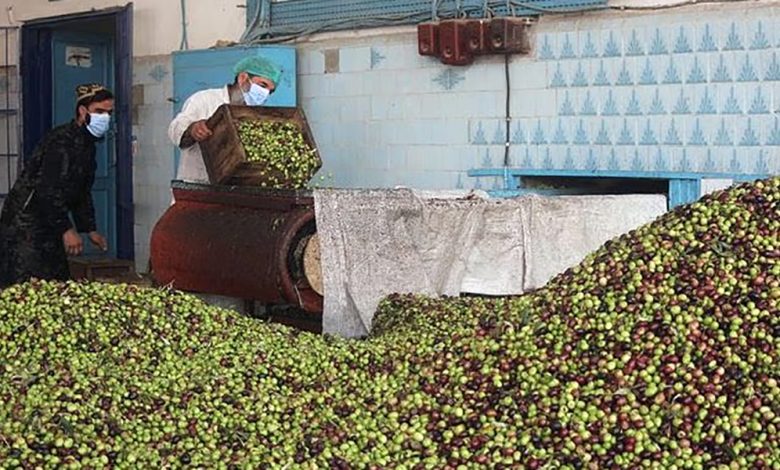
Agricultural experts believe that olive trees are suitable for environmentally challenged areas because they improve soil quality and reduce erosion. The olive harvest has also created new economic opportunities for local communities; approximately 500 residents of Saeeden Arabi village participate in the harvesting and processing of olives.
Saadullah Afghan, the production supervisor, stated that freshly harvested olives are immediately pressed to preserve the quality of the oil, which sells for up to $17 per kilogram in organic shops in Kabul. Orzala’s agricultural activities have also generated 16 permanent jobs in two villages.
The olive industry in Afghanistan was established in the 1960s in Nangarhar, but decades of conflict destroyed a significant portion of the olive orchards. In recent years, the sector has slowly recovered, and with the equipping of a government olive processing factory in 2019, production has been on the rise.
According to Akhtar Mohammad Hashimi, director of the state-owned olive company, the factory produced about 135,000 liters of olive oil last year, with forecasts expecting this figure to reach between 143,000 and 165,000 liters this year. Currently, all production is sold in the domestic market, and the government aims to export the product to international markets.
Beyond Nangarhar, olive cultivation has expanded to other areas as well. The Food and Agriculture Organization of the United Nations (FAO) has provided natural lands for planting 381 hectares of olive trees to create sustainable income for rural families.
Despite these advancements, limited access to international markets and banking services remains a major challenge for expanding Afghanistan’s olive exports. For farmers in the east, olives are not only an agricultural investment but also a means of income generation, job creation, and resilience against the critical drought situation.