Saudi Arabia Seeks to Mediate New Round of Afghanistan-Pakistan Talks Amid Border Tensions
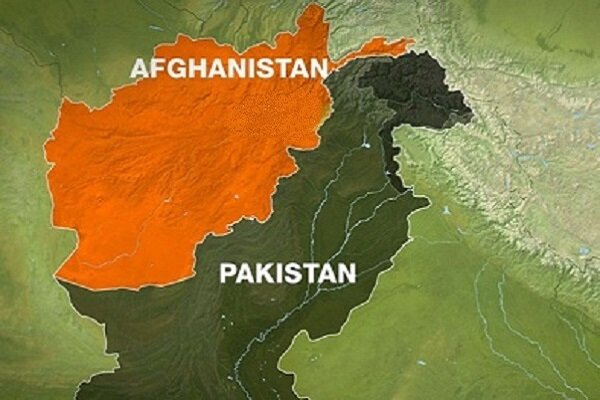
Saudi Arabia is attempting to play a renewed mediating role between Afghanistan and Pakistan, following heightened tensions between Kabul and Islamabad and the failure of previous negotiations in Turkey. An unofficial and brief meeting was held on Sunday in Riyadh, but it concluded without any concrete progress.
According to the Pakistani website Diplomatic Insight, the meeting was mediated by Saudi officials and aimed at easing border tensions following clashes in October between Afghanistan and Pakistan. A delegation from the Taliban administration, led by Anas Haqqani and Rahmatullah Najib, participated in the meeting. However, unlike previous talks in Doha and Istanbul, this round was short-lived and limited to an exchange of views.
The report states that the Pakistani side urged the Taliban to take concrete action against armed groups such as the Balochistan Liberation Army and Tehrik-i-Taliban Pakistan. However, the Taliban delegation showed no flexibility and insisted on their previous positions, leading to a stalemate in the talks.
According to the same source, the Pakistani government holds the Taliban administration directly responsible for the failure of this round of negotiations. Meanwhile, Saudi officials proposed reopening trade between Afghanistan and Pakistan through border crossings, but this suggestion was reportedly rejected by Islamabad.
Despite this setback, Saudi Arabia has announced it will continue its diplomatic efforts, and there is a possibility of another round of negotiations in the coming weeks. With the Turkey-Qatar mediation route effectively stalled and tensions between Afghanistan and Pakistan persisting, Riyadh is seeking to take on a more prominent role in resolving the crisis.
The Taliban administration, which has faced repeated regional and international criticism over human rights violations and support for militant groups, once again brought dialogue with its eastern neighbor to a halt—a further sign of what critics see as the administration’s irresponsible and ineffective approach to addressing regional crises.