Taliban Spends More Than $8 Million on Mosques in Afghanistan
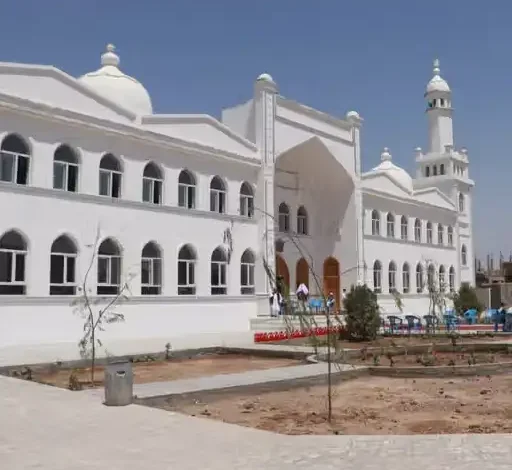
The Taliban administration has spent more than 500 million afghanis, or about $8 million, over the past five years on the construction and reconstruction of at least 16 mosques across Afghanistan. These projects are part of the group’s broader policy to expand religious and cultural institutions.
The schemes have been carried out along three main lines: building new mosques, restoring historic buildings and constructing mosques along highways, with some of them still ongoing. Among the notable projects are the restoration of the historic Khwaja Abdullah Ansari Mosque in Herat at a cost of 107 million afghanis and the construction of the Central Mosque in Maidan Wardak with a budget of 87 million afghanis.
The construction of the Rasul Akram Central Mosque in Kabul at a cost of 22 million afghanis in 2023, as well as a mosque built within the Taliban administration’s offices at a cost of nearly 20 million afghanis in 2024, have also been completed. According to a report from the Taliban administration’s Ministry of Public Services, construction of five mosques along highways in Helmand, Farah, Nimroz and Herat provinces, with a total budget of more than 160 million afghanis, is still under way.
These projects fall under a plan to build 75 mosques along the country’s highways, ordered directly by the acting leader of the Taliban administration, Hibatullah Akhundzada. Larger plans are also in the works, including the construction of the Hassan Basri Central Mosque in the grounds of the presidential palace, with space for 1,000 worshippers, and a large mosque in Kabul’s Kote Sangi area with capacity for 20,000 worshippers.
In recent years, the construction of mosques and religious schools has increased sharply, and the management of most of these places has been handed to people affiliated with the Taliban, a trend seen as part of a broader strategy to strengthen religious foundations and consolidate the Taliban administration’s rule in Afghanistan.