Afghan UN envoy calls for end to repression and discrimination against women
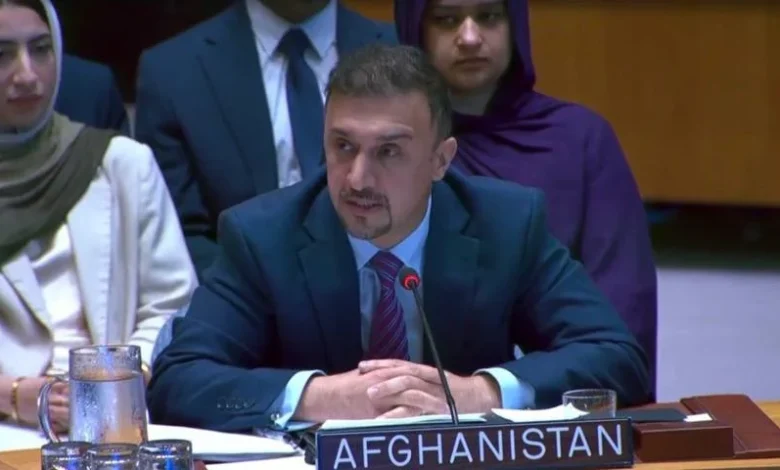
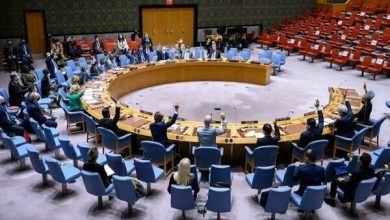
Naseer Ahmad Faiq, acting permanent representative of Afghanistan to the United Nations, has warned at a meeting of the General Assembly’s Third Committee that the Taliban administration’s continued policies, particularly structural discrimination against women and girls, will have long-term consequences for Afghan society and must be stopped.
Faiq said on Thursday, 16 October, that women and girls in Afghanistan have been deprived of education, employment, freedom of movement and participation in public life, adding that this situation, in his view, will also affect the future of coming generations.
He stressed that arbitrary arrests, torture, killing, disappearance and forced displacement in Afghanistan must end, and that accountability mechanisms to investigate human rights violations should be strengthened.
The acting permanent representative of Afghanistan to the United Nations welcomed the public announcement of arrest warrants by the International Criminal Court for senior Taliban leaders and at the same time called for support for the “Independent Investigative Mechanism for Afghanistan.”
Faiq also called for “gender apartheid” to be criminalised as a crime against humanity, saying the Taliban administration must end what he described as “gender apartheid” and revoke discriminatory decrees against Afghan women and girls.
He added that humanitarian aid must reach people without discrimination and that the participation of Afghan women in the distribution and implementation of such aid must be guaranteed without restriction. Faiq also stressed that Afghan refugees should not be returned to areas where they are at risk.
Expressing concern about the situation of journalists, human rights defenders, former officials and former security forces, the acting permanent representative of Afghanistan to the United Nations said they face threats, detention, torture and other human rights violations.
According to him, ethnic and religious minorities, including Hazaras and Shia communities, are also facing discrimination, insecurity and forced displacement.
In another part of his remarks, Faiq said “counterterrorism” should not be used as a pretext for unlawful attacks on civilians or violations of Afghanistan’s territorial integrity. He added that engagement with the Taliban administration should not lead to normalisation of relations with it and must be conditional on independent and verifiable improvement in the human rights situation.
He also said the Taliban administration’s repressive policies, in his view, do not reflect the “true teachings of Islam” and are not consistent with the values of Afghan culture.