Afghan Envoy Says Gender Persecution Is Institutionalised Under Taliban
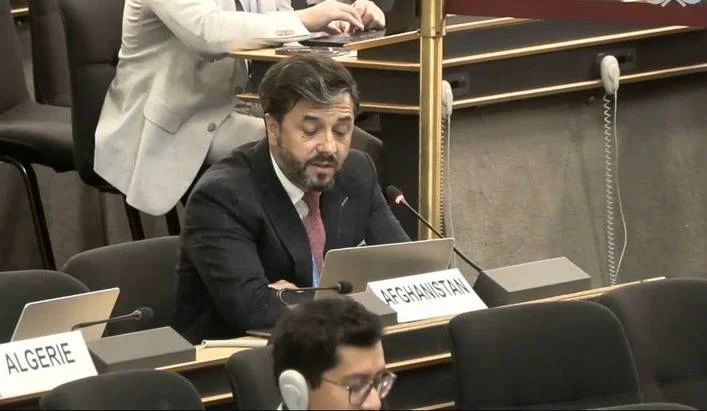
Naseer Ahmad Andisha, Afghanistan’s representative to the United Nations, has welcomed the UN Human Rights Council’s latest resolution on Afghanistan and said the Taliban administration has created an “institutionalised system of gender-based persecution and discrimination” that “shakes the conscience of humanity.”
In a post on X on Monday night, 13 October, he said the text of the adopted resolution reflects the situation in Afghanistan “without concealment” and provides a clear picture of the realities unfolding in the country.
Andisha added that the key elements of the resolution include the establishment of an independent investigative mechanism, the extension of the special rapporteur’s mandate, a report by the UN high commissioner on the dismantled judicial system, and a study on persecuted minorities — including the Hazara community — as well as women and the people of Afghanistan.
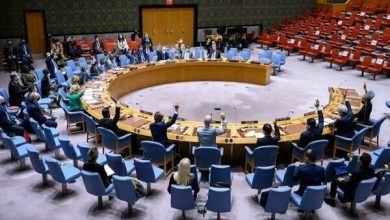
Referring to the unanimous adoption of the resolution, Afghanistan’s representative to the United Nations wrote: “This unanimously adopted resolution reflects the reality without concealment: an institutionalised system of gender-based persecution and discrimination that shakes the conscience of humanity.”
He also said the Taliban administration’s increased use of the death penalty under order No. 12 by its leader, Mullah Hibatullah Akhundzada, is an example of “institutionalised persecution.”
Since the Taliban returned to power, numerous reports have been published of the arrest, torture and killing of former military personnel, women, civil activists, cultural figures and ordinary residents in various parts of the country.