UN Refugee Agency Warns Funding Cuts Threaten Protection Services for Millions of Displaced People
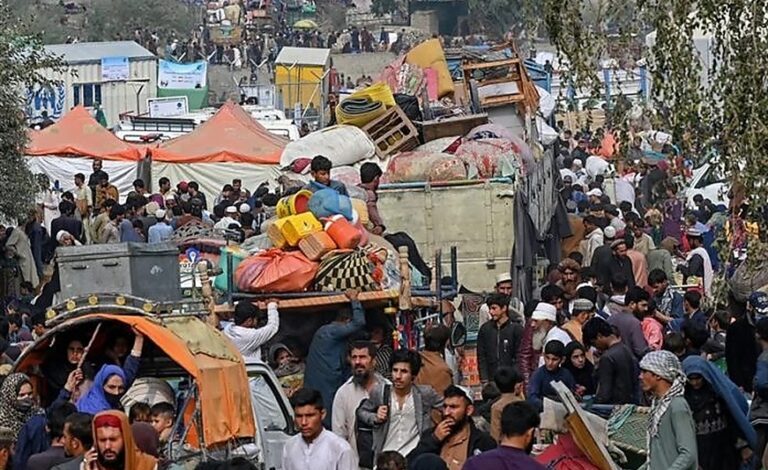
The UN Refugee Agency has warned that funding shortfalls have put vital protection services for refugees and other forcibly displaced people at risk in several countries. By the end of July 2026, the agency had received only 32% of the $8.5 billion it needs for this year.
According to the report “Fraying Protection: The Human Cost of Funding Shortfalls,” published on Tuesday, 29 September, the agency’s available funds fell from $5.2 billion in 2024 to $3.9 billion in 2025. The agency says that by the end of 2025, about 117.8 million people worldwide had been forcibly displaced and 35.6 million refugees were under its protection. Around two-thirds of these refugees are citizens of Afghanistan, Syria, Sudan, Ukraine and Venezuela; the number of people under UNHCR’s care could also reach 131.2 million by the end of 2026.
The funding decline threatens not only food aid and shelter, but also refugee registration, the issuance of identity documents, the identification of children at risk and the protection of survivors of sexual violence. Dominic Hyde, UNHCR’s director of external relations, said reducing services to a certain level could lead to their complete collapse, not merely fewer people being able to access them.
The consequences of the shortfall have been reported in several countries. In Chad, about 319,000 refugees are facing delays in registration and may lose access to services; up to 200,000 women and girls are also at risk of being cut off from safe spaces and prevention programmes, and about 233,000 children may be denied protection services. In Ethiopia, the capacity of safe shelters for survivors of sexual violence has fallen by more than half in a year, and child protection coverage in some areas has dropped by as much as 85%. In Sudan, tens of thousands of survivors of sexual violence and at-risk children may not have access to protection services.
In Afghanistan, cash assistance for returning home has been reduced from $375 to $170 per person. In Iraq, up to 350,000 refugees and asylum seekers may miss out on economic integration opportunities; in Syria, 162,500 vulnerable internally displaced people and returning refugees may not receive initial cash assistance.
In 2025, the agency laid off nearly 5,000 staff, more than a quarter of its workforce, and closed offices in 140 locations. It has called on donor countries to provide immediate support and flexible, unearmarked funding so services can continue in the areas where the need is greatest.