Taliban Restrictions Make Access to Information Harder for Afghan Media, Journalists Say
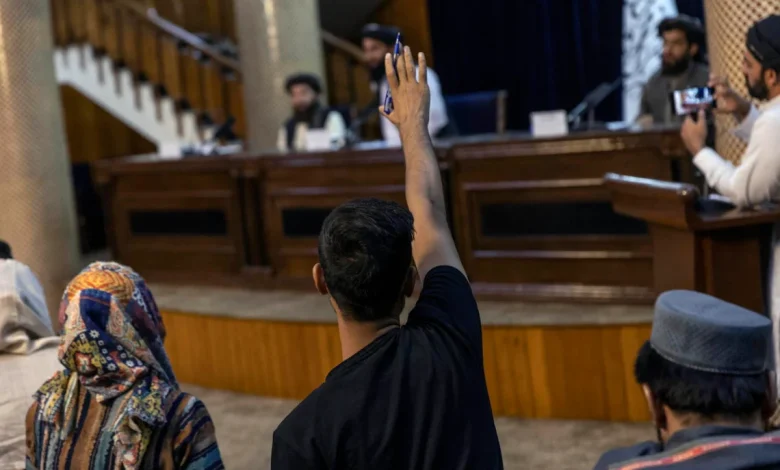
As World Day for Universal Access to Information is marked, journalists and media outlets in Afghanistan say the Taliban administration’s growing restrictions have made access to information and independent reporting significantly more difficult. According to them, the situation has reduced transparency and accountability and put the right to freely access information under pressure.
A number of journalists told 8 Sobh newspaper on Monday, 6 Mizan, that out of fear of arrest, threats and security consequences, they cannot freely cover many events and issues. They said the current environment has left journalists facing greater restrictions in their professional work.
According to these journalists, the arrest of reporters, censorship, publishing restrictions, a ban on publishing images of living beings, the blocking of live political broadcasts, the suspension of media activities and limits on access to information have posed a serious challenge to independent news reporting. They stressed that these restrictions violate the legal rights of media outlets and journalists.
A number of female journalists also said they are not allowed to attend some meetings and programmes. They said these restrictions, in addition to excluding women from part of media activity, have also reduced their job opportunities, and some media outlets have cut back or stopped hiring female journalists.
Afghan journalists in exile have also complained about the difficulty of accessing first-hand information. They say restrictions on contact with sources have made it harder for them to access reliable information and direct sources.
Previously, UNAMA said in a report that the Taliban administration had continued to restrict media freedom by arresting journalists, suspending media activities and imposing restrictions on broadcasts. World Day for Universal Access to Information is observed each year to emphasise citizens’ right to information and its role in transparency and informed participation in society.