FAO distributes solar cookers to 468 families across five Afghan provinces
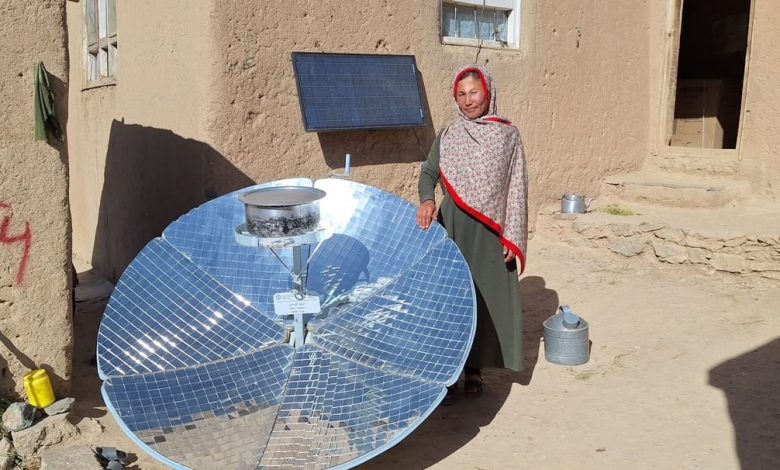
The Food and Agriculture Organization of the United Nations (FAO) has said that 468 families in Badghis, Bamyan, Ghazni, Kunar and Paktia provinces have received solar cookers, a move the agency says could reduce fuel use and the pollution caused by it.
On Sunday, 5 Mizan, FAO said the use of these cookers will reduce families’ need for firewood, brush, dried dung and gas. According to the organization, lower fuel needs will also cut the costs and time families spend obtaining it.
The agency added that reducing the collection of firewood from rangelands would help protect vegetation cover and ease pressure on natural resources. FAO stressed that rangelands in Bamyan are an important source of fodder, food and income for pastoral and agro-pastoral communities.
According to FAO, overgrazing and the cutting of brush have been among the factors behind the degradation of rangelands in the province. The organization said that from 2018 to the present, more than 77,190 hectares of rangeland in Bamyan have been restored through this project.
FAO said the methods used in the programme include rangeland quarantine, rotational grazing and direct sowing of alfalfa and local fodder species. The agency said the plan is being implemented to increase community resilience to climate change, support rural women and strengthen the livelihoods of pastoral communities.
The Food and Agriculture Organization of the United Nations is a specialized UN agency working in agriculture, food security and natural resource management. Bamyan is among the provinces where a significant share of residents depend on livestock and the use of rangelands.