UN Reports Rising Inflation and Living-Cost Pressure on Afghan Households
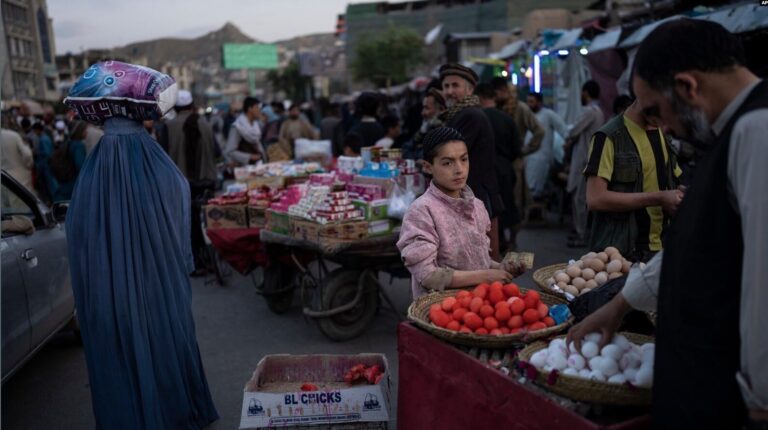
The United Nations has said in a new report that economic pressures on Afghan households have intensified and that, as prices rise, it has become harder for families to access basic necessities. According to the report, Afghanistan’s overall inflation rate reached 7.8% in May, while food inflation stood at 8.2%.
The report said higher food prices, along with disruptions to trade routes and rising goods transportation costs, have placed an even greater burden on consumers and importers. The UN said this has increased the cost of access to markets and has had a direct impact on final goods prices.
The UN also said restrictions and disruptions in regional trade, in addition to reducing commercial activity, have made the supply chains of some essential goods more vulnerable. Its annual report on Afghanistan also said disruptions to trade with neighbouring countries have affected imports of food, fuel and medicine, and in some areas have led to higher prices.
The report comes as many families face falling purchasing power alongside rising costs. The UN warned that in an economy with high living needs, this situation is placing additional pressure on low-income households.
The UN had previously identified cuts in humanitarian aid, large-scale population displacement, climate pressures and economic restrictions as key factors putting strain on families, markets and basic services in Afghanistan. Afghanistan is an import-dependent country, and fluctuations in regional trade routes usually have a direct effect on the prices of food, fuel and other essential goods in domestic markets.