Gordon Brown Urges Muslim Countries to Pressure Taliban Over Girls’ Education Ban
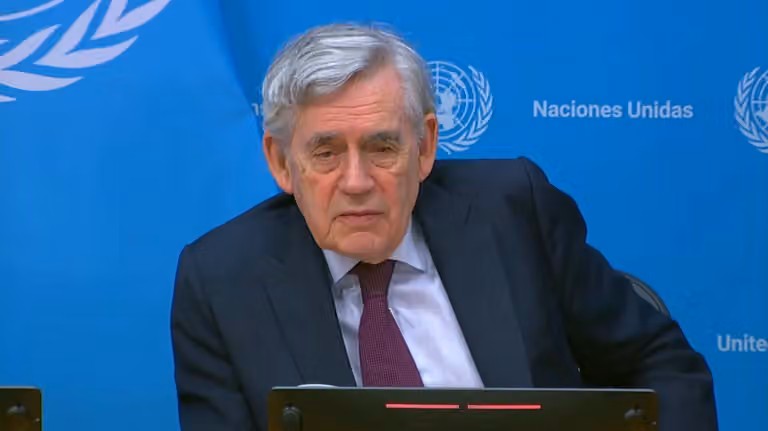
Gordon Brown, the former British prime minister and the United Nations special envoy for global education, has called on Muslim countries to increase pressure on the Taliban administration to end the ban on girls’ education. He said the international community has a responsibility to girls in Afghanistan and that education should be a priority in dealings with the Taliban administration.
Speaking at a news conference at the United Nations on Thursday, the second of Mizan, Brown said the Taliban administration’s latest decrees had further restricted girls and deprived them of access to secondary education and a number of their basic rights. He stressed that denying children education is a “crime against their future” and that the consequences will be lasting.
He added that Muslim countries may have greater influence than Western countries over religious authorities based in Kandahar. For that reason, he said, they can play a more effective role in efforts to lift educational restrictions.
The UN special envoy on global education also backed support for online education and underground schools. He said that in the process of normalising relations with the Taliban administration, countries should keep the issue of girls’ education at the top of their talks.
Brown also spoke of a divide between Taliban officials in Kandahar and Kabul. He added that some officials in the administration had also realised that continuing the ban on girls’ education is both a violation of human rights and harmful to Afghanistan’s economy.
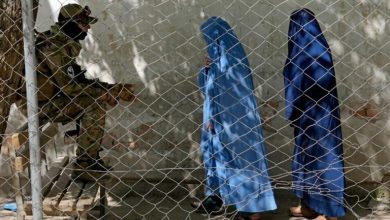
Since returning to power, the Taliban administration has stopped girls above the sixth grade from attending school, a move that has drawn widespread criticism from international bodies and many Muslim countries. Kandahar in southern Afghanistan is one of the main centres of decision-making for the Taliban’s senior leaders.