Two Republican Senate Candidates Call for Immediate End to War With Iran
Two Republican candidates in the US Senate race have called for an immediate end to the war with Iran amid growing public pressure and concerns over the conflict’s economic fallout, a position that contrasts with their previous support for Donald Trump’s strikes on Tehran.
Mike Rogers, the Republican candidate in Michigan, and Ashley Hinson, the Republican candidate in Iowa, now say the war is affecting Americans’ cost of living and must be stopped. The shift comes as rising fuel prices and pressure on family finances have become a major focus of criticism in the United States.
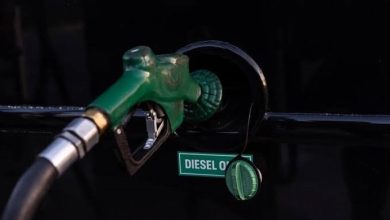
Hinson, who had previously voted six times in the Senate against proposals to restrict Trump’s authority to continue the war, wrote on social media that Iowans are under pressure and should not have to pay the cost of the war with Iran at the gas pump or in grocery stores. She called for a suspension of the gasoline tax, a temporary halt to diesel exports, and other measures to bring the war to an “successful and immediate” end.
Rogers, who in late July told CBS Detroit he supported Trump’s strikes on Iran and opposed limiting the president’s authority to continue the war, adopted a new tone on Monday in a campaign statement on X. In a video filmed inside a grocery store, he said the war with Iran must end as soon as possible so energy costs can fall sharply.
He also called for a suspension of state and federal gasoline taxes and a temporary halt to US diesel exports. At the same time, Democrats say the new stance is little more than an election-season reversal, arguing that both candidates had previously backed the Trump administration’s war policies.
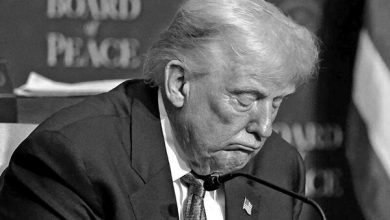
The change in tone comes as dissatisfaction with Trump’s handling of the economy and the war with Iran has increased alongside persistent inflation. According to the latest Reuters poll, Trump’s approval rating has fallen to 32%, the lowest level of his political career.
The US midterm elections will be held in November, with congressional seats, including the Senate, up for grabs in a contest that is typically heavily shaped by public pressure and economic conditions.