Taliban Rejects Reports of Women’s Rights Violations in Afghanistan
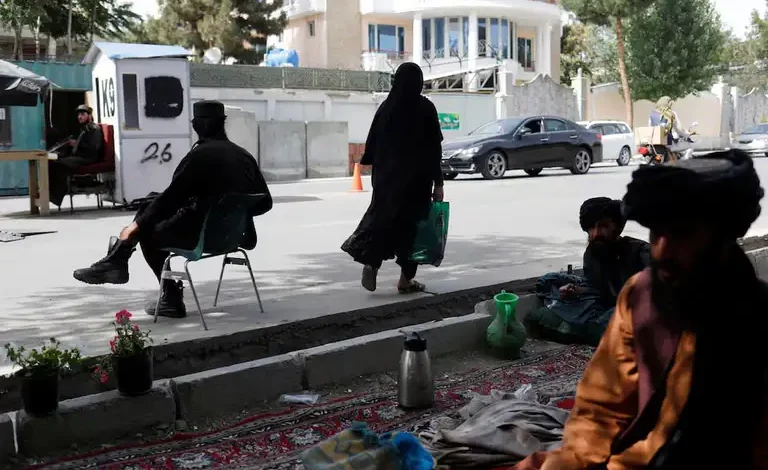
While women and girls in Afghanistan continue to face sweeping restrictions on education, work and movement, the Taliban authorities have rejected international reports of rights violations against women. Saif-ul-Islam Khaibar, spokesman for the Taliban’s Ministry for the Promotion of Virtue and Prevention of Vice, claimed that women now enjoy rights that, he said, are unprecedented in Afghanistan’s history.
In a video message on Sunday, Khaibar said women’s basic rights, including mahr, maintenance, inheritance and some other rights, have been secured by the Taliban authorities. He also described reports of women’s rights violations by the Taliban as baseless.
The remarks come as international bodies, including the United Nations, have repeatedly reported widespread and deliberate violations of the rights of women and girls in Afghanistan. According to these reports, since the Taliban returned to power, women have been barred from secondary and higher education and have also lost a large share of their job opportunities.
Restrictions on women’s movement have also been among the measures widely criticised. Under these restrictions, women need to be accompanied by a male guardian in order to travel, making access to education, work and everyday life more difficult.
Restrictions on women’s education and work in the health sector have also made access to medical services more difficult for women and girls. International bodies have warned that the shortage of female health workers and the continuation of these restrictions could have serious consequences for women’s health, including a higher risk of maternal mortality.
A UN special rapporteur on human rights previously said the Taliban’s policies had created an institutionalised system of discrimination, repression and deprivation against women and girls. He warned that this situation could amount to “gender persecution” as a crime against humanity.
The United Nations has also described the restrictions imposed on women’s education, work, movement, social and political participation, and access to health services as part of a broad and systematic pattern of gender-based repression. The Taliban has consistently rejected these assessments and claims its policies are in line with Islamic law and Afghan culture.