Russia and China Veto U.S. Bid to Extend Iran Sanctions Watchers
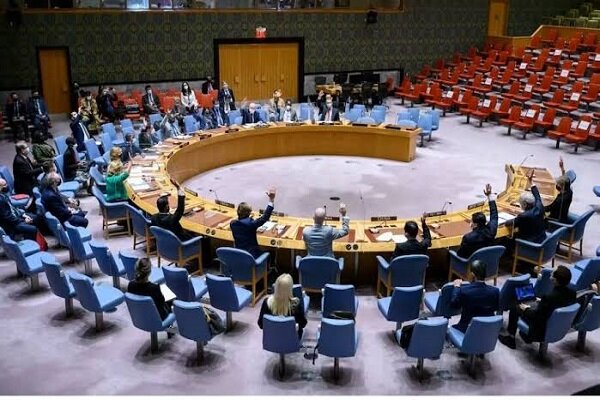
Russia and China have vetoed a U.S.-drafted resolution at a UN Security Council meeting that sought to extend the mandate of the expert panel monitoring sanctions on Iran, in a move that once again highlighted major-power divisions over Iran’s nuclear file in the council.
The Security Council on Thursday held a meeting on the “experts of Security Council Resolution 1929” under the theme of non-proliferation and in connection with Iran’s nuclear programme. The U.S.-proposed resolution was intended to extend the mandate of the body overseeing sanctions related to Iran.
Vasily Nebenzya, Russia’s representative to the Security Council, said at the meeting that Security Council Resolution 2231 expired on Oct. 18, 2025, and was no longer on the council’s agenda. He stressed that holding such a meeting on an issue, in his words, removed from the agenda, lacked legal and procedural basis.
He also rejected efforts by some council members to create an “illusion of legitimacy” through claims about the “snapback” mechanism, or the automatic restoration of sanctions. According to the Russian representative, Moscow considers the meeting unlawful because it dealt with an expired agenda item, and it called for a procedural vote on the meeting’s agenda.
China’s representative also pointed to the expiry of Resolution 2231 and said the Security Council had completed its review of Iran’s nuclear file. He warned that the council should not be turned into a platform for advancing unilateral aims and urged parties to play a constructive role, instead of taking escalatory steps, in preserving the credibility of multilateralism and creating the conditions for a political resolution of the issue.
In response to the veto of the draft, the U.S. representative claimed that opposition by Russia and China to extending sanctions on Iran was contrary to international rules. Resolution 2231 had been adopted following Iran’s nuclear agreement with world powers and established the legal framework for the file at the Security Council.