Crisis Group Warns of Rising Unrest in Northern Afghanistan
The International Crisis Group has warned in a new analysis that northern Afghanistan is facing growing signs of unrest, including increased activity by anti-Taliban fronts, tensions between local commanders and public dissatisfaction over poppy cultivation and mining.
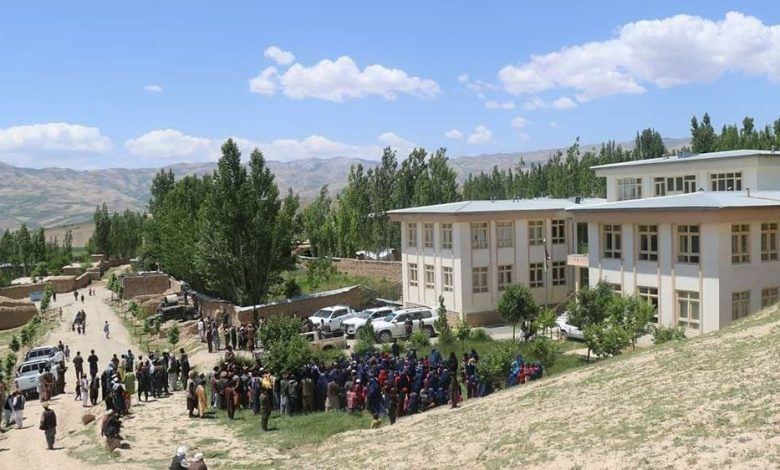
The group cited Badakhshan as one of the most prominent examples of this situation, saying the Taliban administration lost control of a district centre in the province for the first time since September 2021. According to the analysis, the Front of the Homeland Corps attacked the centre of Yafal Payin district on July 17 and held it for several hours, but Taliban reinforcements later regained control.
The International Crisis Group said the incident did not threaten the Taliban administration’s nationwide rule, but could encourage anti-Taliban fronts. In the group’s view, the event has called into question the Taliban administration’s image of military invincibility.
The analysis said Badakhshan has also seen attacks by the Afghanistan Freedom Front, the National Resistance Front and ISIS’s Khorasan branch. The group also reported clashes involving local Taliban commanders.
According to the International Crisis Group, these incidents are not limited to Badakhshan and reflect broader tensions across northern Afghanistan. The group said the Taliban administration’s efforts to enforce the ban on poppy cultivation have fuelled protests, while competition over smuggling routes and mining revenues has also increased tensions between local commanders and the administration’s central authorities.
The International Crisis Group added that although the expansion of mining in the north has been accompanied by investment, local dissatisfaction has also increased in some areas. According to the group, residents in these areas believe they receive only a small share of mining income.
Badakhshan in northeastern Afghanistan is one of the country’s border provinces with Tajikistan, Pakistan and China, and is considered sensitive because of its geographical location, transport routes and mineral resources. In recent years, the province has repeatedly been the scene of security tensions and local protests.