UN Security Council Says IS-K Remains Afghanistan’s Biggest Terrorist Threat
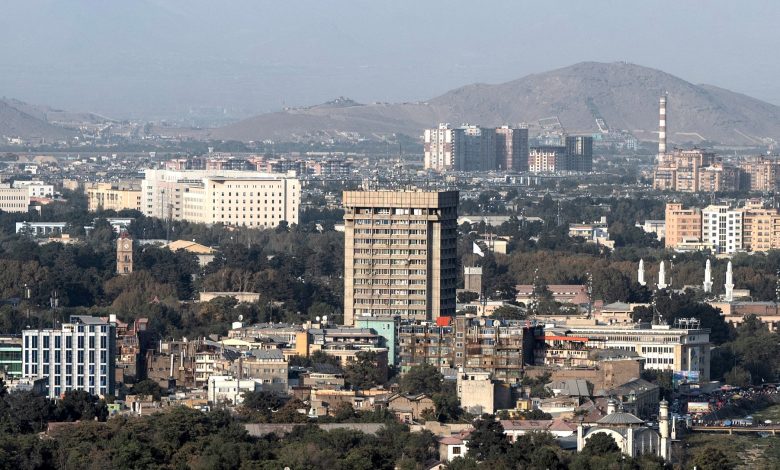
The latest report from the United Nations Security Council’s Analytical Support and Sanctions Monitoring Team says Islamic State Khorasan Province, or IS-K, remains the biggest terrorist threat in Afghanistan and the region, with members of the group present in several areas on the outskirts of Kabul.
According to the report, despite blows suffered as a result of operations by the Taliban administration and Pakistan, IS-K has entered a phase of reconstruction in recent months and has again regained the ability to carry out large-scale and scattered attacks with heavy casualties. The report adds that the group has also moved its training centres to parts of northern Afghanistan and to areas along the Afghanistan-Pakistan border.
The Security Council said that although IS-K attacks inside Afghanistan have declined, the group’s activity in Pakistan has increased. According to regional countries, the group has access to advanced equipment including drones, night-vision devices and thermal imaging cameras, and is also receiving training in urban warfare.
The report also says the Taliban administration continues to support Tehreek-e-Taliban Pakistan. According to the report, around 2,000 TTP fighters and their families have been moved from Pakistan’s border areas to parts of the interior of Afghanistan, although Hibatullah Akhundzada has asked the group’s leaders to stop attacks against Pakistan.
The Security Council warned that continued tensions between the Taliban administration and Pakistan could create more space for terrorist groups to operate and increase security threats in the region. The report also said that the activity of the East Turkestan Islamic Movement has expanded, adding that the group has once again concentrated its forces in Badakhshan, especially along the Wakhan Corridor, and has established new bases in Kunduz.
According to the report, the group’s leader has ordered an increase in combat readiness and the purchase of weapons and military equipment, and its members are being trained in some training camps in Afghanistan. In its conclusion, the Security Council stressed that the terrorist threat emanating from Afghanistan remains broadly persistent, a matter the Taliban administration has repeatedly denied, insisting that no terrorist group is allowed to operate on Afghan soil.
The Security Council’s Analytical Support and Sanctions Monitoring Team regularly assesses armed groups and cross-border threats. The Wakhan Corridor is also a narrow strip in northeastern Afghanistan that connects Badakhshan province to the Chinese border and is of particular security importance to countries in the region.