AMSO says Taliban intensify pressure on Afghanistan’s media
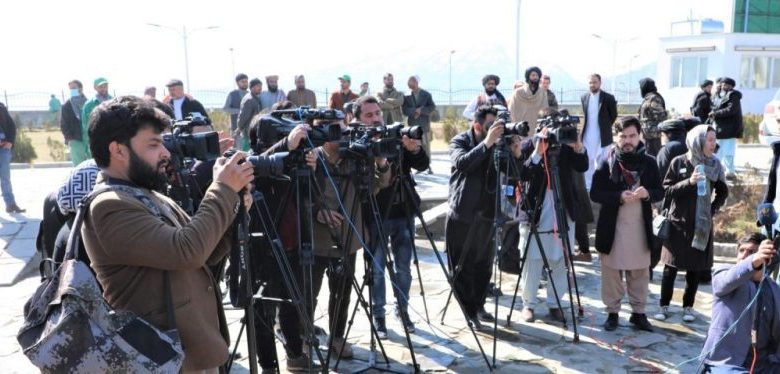
The Afghanistan Media Support Organization (AMSO) says the Taliban administration has tightened restrictions on the media and, by setting up intelligence mechanisms within the media community, is trying to control content produced by domestic outlets and limit journalists’ contacts with foreign-based media.
In a report released today, Wednesday, 21 Asad, on incidents recorded between July 10 and August 10, the group said security, intelligence, structural and environmental pressure on journalists and media outlets had increased in a number of provinces. According to AMSO, this trend has created conditions for the further weakening of independent media.
Based on the findings of the report, in Kabul, Nangarhar and several other provinces, Taliban intelligence forces have asked local journalists, media officials and local representatives of organizations supporting journalists to support the Taliban system and declare that position openly.
AMSO added that at the same time, some people were asked to identify and report journalists who collaborate or maintain secret contacts with media outlets based outside Afghanistan or with exile media. The organization said such actions indicate efforts to expand intelligence monitoring within the media community.
According to AMSO, Taliban intelligence forces have obtained written pledges from some journalists on the accusation of having ties to foreign media. In Badakhshan, too, alongside tensions over the past month, pressure and monitoring of local journalists has increased in order, the organization said, to prevent the publication of accurate details about the clashes, the damage and their human and security consequences.
AMSO’s report says the Taliban’s Ministry for the Promotion of Virtue and Prevention of Vice also interferes in journalists’ work. Based on the report, restrictions on filming in many provinces, including in the south and east of the country, remain in force, and in one case, a provincial representative of the Committee to Protect Journalists in Nangarhar was arrested by morality officers on the accusation of playing music in his private home.
AMSO also said Taliban interference is not limited to media content and has extended to media funding as well. For example, in Nangarhar, Taliban officials demanded a financial share and benefit for themselves in UNICEF financial and educational programs, and until this demand was accepted, permission was not granted for some training programs to be held.
The organization warned that growing restrictions, legal and regulatory ambiguities, security pressures and economic problems have placed Afghanistan’s independent media at serious risk and are undermining two decades of achievements in journalism.
According to the annual press freedom index of Reporters Without Borders, Afghanistan ranked 122nd in the world before the Taliban returned to power, but afterwards it fell 56 places to 178th. Also, according to previous UNAMA reports, between 150 and 205 cases of violence, including threats and arrests, are recorded each year against journalists in Afghanistan.