US Warns ISIS-K Remains Persistent Threat in Afghanistan
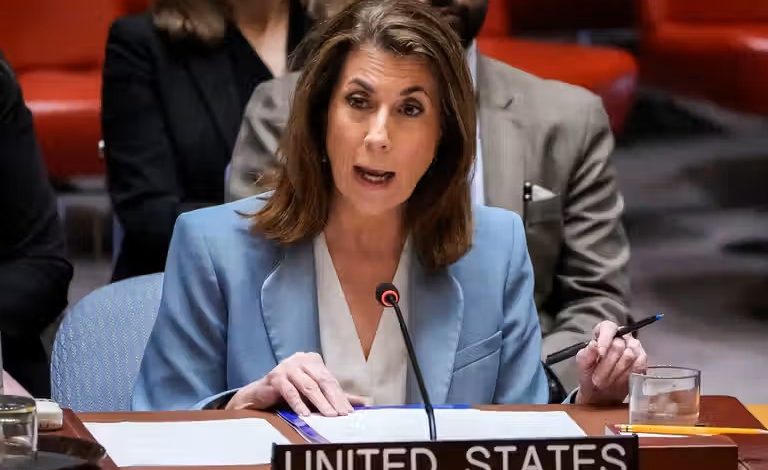
Tami Bruce, the deputy US representative to the United Nations, stated at a Security Council meeting that ISIS-Khorasan in Afghanistan continues to be a persistent threat, exploiting instability to expand its activities.
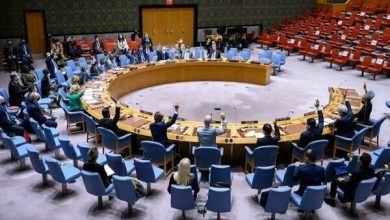
Speaking on Wednesday, August 5, at the Security Council session titled “Threats from Terrorist Acts to International Peace and Security,” Bruce emphasized that countering Islamist terrorist groups, including ISIS and al-Qaeda, remains a top strategic priority for Washington.
Referring to the approaching 25th anniversary of the September 11 attacks, she called on UN member states to maintain their focus on combating terrorism. She added that the United States will not support institutions that do not align with its priorities or lack adequate effectiveness.
The US official also noted that terrorist groups have enhanced their operational capabilities in recent years by leveraging technologies such as satellite communications, artificial intelligence, drones, and cryptocurrencies. According to her, these developments have complicated efforts to counter these networks and require closer cooperation between countries and the private sector.
Highlighting the expansion of ISIS activities in Africa and al-Qaeda’s gains in the Sahel region, Bruce welcomed military and financial actions against these groups in Iraq, Syria, and Somalia. She urged countries to prosecute ISIS members and supporters and to prevent foreign fighters from returning to armed activities.
In another part of her remarks, she warned that security threats are not limited to ISIS and al-Qaeda; transnational criminal networks, drug cartels, and certain extremist political groups could also jeopardize regional and global stability. She stated that since January 2025, the United States has designated 20 cartels and criminal groups in the Western Hemisphere as foreign terrorist organizations or terrorist financiers.
The US deputy representative stressed the need to increase intelligence sharing, prevent terrorist groups from accessing financial resources and advanced weapons, and strengthen international cooperation to stop terrorist travel and movement.