UN OCHA Warns of Humanitarian Crisis and Women’s Restrictions Threatening Millions in Afghanistan
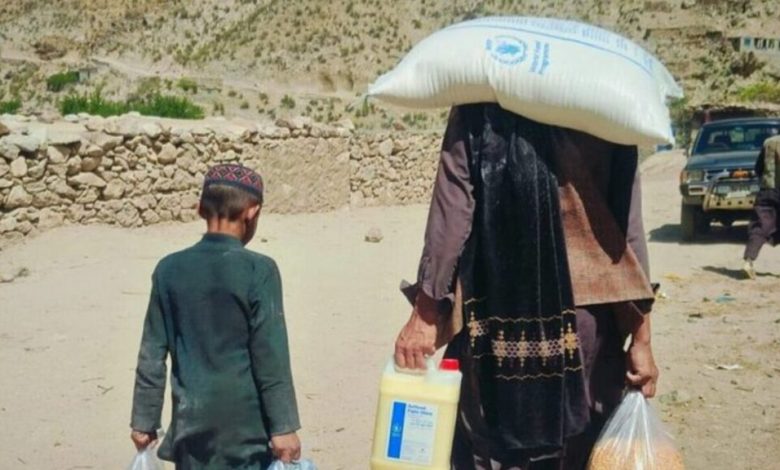
The United Nations Office for the Coordination of Humanitarian Affairs (OCHA) has warned that despite a relative reduction in violence in parts of Afghanistan, the humanitarian crisis remains widespread and deep, threatening the lives of millions. The agency emphasized that poverty, malnutrition, natural disasters, and restrictions imposed on women and girls are serious obstacles to progress.
Olga Chervoko, OCHA’s spokesperson in Afghanistan, stated at a UN press briefing in New York on Monday, citing data from the UN Assistance Mission in Afghanistan (UNAMA), that from October last year until the end of June this year, border conflicts have resulted in more than 1,700 civilian casualties. According to her, nearly 500 people were killed and over 1,200 others, including women and children, were injured during this period.
She stressed that a relative decrease in violence alone does not meet the needs of the people, and security cannot replace the lack of food, shelter, and medical services. Chervoko noted that floods, drought, and other climatic shocks have destroyed homes and family income sources, pushing many into heavy debt and deeper poverty.
Referring to her visits to Bamyan, Herat, Paktika, Khost, and Nuristan provinces, OCHA’s spokesperson said that despite geographical differences, residents of these areas reported similar problems, expressing a need for job opportunities and sustainable income sources rather than just food aid.
She described Afghanistan as one of the most vulnerable countries in the world to climate change, stating that floods, droughts, harsh winters, and earthquakes have denied many communities the chance to recover. According to her, recent floods in Nuristan have deprived several families of their homes, sources of income, and even family members.
Chervoko also warned about the consequences of restrictions imposed on women and girls, saying these limitations have severely reduced their access to education, employment, healthcare, and social participation, threatening the future of millions of women and girls. She added that the continuation of this situation directly affects families and the overall recovery of the country.
OCHA reported worsening malnutrition and stated, based on assessments by UN partner agencies, that in more than three-quarters of Afghanistan’s regions, malnutrition and wasting among children have intensified this year. The agency said the long distances to health centers, difficult terrains, and lack of medical facilities have prevented some children suffering from severe malnutrition from accessing treatment.
According to OCHA’s spokesperson, budget cuts and logistical challenges have limited the capacity of aid organizations to prevent and treat malnutrition. She also warned that unexploded ordnance continues to endanger civilians, especially children and farmers.
OCHA stressed that humanitarian aid is vital to saving lives, but without investment in employment, education, healthcare, and reconstruction, Afghanistan’s crisis will remain uncontrolled.