Pakistan Seeks $10 Billion Bilateral Support from US to Stabilize Currency
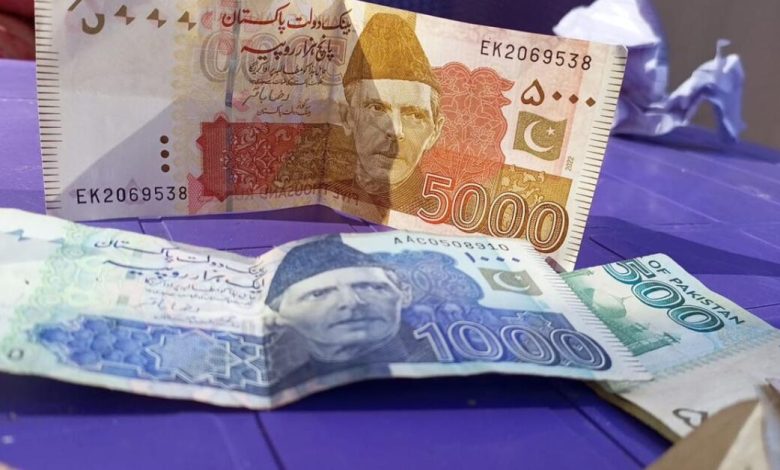
Reuters has reported that Pakistan has requested the United States to provide a bilateral facility worth $10 billion to support the stabilization of the country’s exchange rate. According to the report, if Washington agrees, this support could strengthen Pakistan’s foreign exchange reserves and ease pressure on the rupee.
The report, published on Wednesday, July 22, states that the request is designed for a five-year period and has been submitted to US Treasury Secretary Janet Yellen. Reuters, citing an informed source, noted that this is the first time the request has been made public.
This request comes as Pakistan is currently engaged in a $7 billion program with the International Monetary Fund (IMF), which includes increased taxes, restrictions on government spending, and the implementation of stringent economic reforms. Observers say these policies have imposed significant political costs on the Pakistani government and have affected its ability to invest in developmental and welfare sectors.
Reuters added that the US Treasury Department declined to comment on the matter, and Pakistan’s Ministry of Finance did not immediately respond to media inquiries.
Pakistan’s Finance Minister, Muhammad Aurangzeb, met with US Treasury Secretary Janet Yellen yesterday in Washington. According to a statement from Pakistan’s Ministry of Finance, the two sides discussed the vulnerabilities of Pakistan’s economy to geopolitical developments, but the $10 billion request was not mentioned in the statement.
The statement also emphasized that Islamabad seeks greater US support to improve access to international capital markets, increase foreign exchange reserves, and enhance sovereign credit ratings. Both parties stressed expanding economic cooperation and increasing US investment in Pakistan.
US exchange rate stabilization facilities are uncommon tools usually provided through the US Exchange Stabilization Fund. These can assist countries in strengthening their foreign reserves by supplying dollars, swap agreements, or financial guarantees.
In recent years, Pakistan has faced foreign exchange crises, external debt challenges, and declining foreign investment. While IMF-backed reforms have brought some financial stability, the structural limitations of Pakistan’s economy remain persistent.