EU Calls Inclusive Political Process the Only Path to Peace in Afghanistan
The European Union has stated that only an inclusive political process led and owned by the citizens of Afghanistan can ensure lasting peace, stability, and prosperity in the country. At the same time, the EU has warned that the Taliban administration’s “persistent, widespread, and systematic” human rights violations, particularly against women and girls, may constitute crimes against humanity and gender-based persecution under international law.
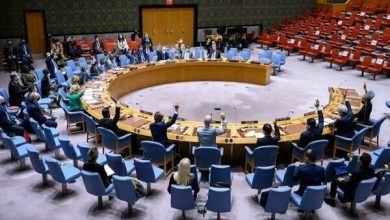
In a statement released on the sidelines of the 62nd session of the UN Human Rights Council, emphasis was placed on establishing a political process with full, equal, and meaningful participation of women and representatives of all segments of Afghan society. The statement noted that such a process must be inclusive of all Afghans and prevent political monopolization.
The EU underlined that the current human rights situation in Afghanistan, especially the restrictions imposed on women and girls, has deeply alarmed the international community. The Union stressed that the continuation of this situation could have serious legal consequences at the international level.
Meanwhile, several countries expressed concern over the situation in Afghanistan during the Human Rights Council session. Céline Jurgensen, France’s UN representative, condemned recent arbitrary arrests of Afghan women and the crackdown on protests against these detentions.
Rytis Paulauskas, Lithuania’s representative, said gender discrimination is increasing in many parts of the world and, in severe cases, leads to gender-based persecution—a phenomenon he noted is also seen in Afghanistan. Ib Petersen, Denmark’s representative, expressed concern about violations of the rights of women and girls in countries like Afghanistan and Iran and called for the immediate guarantee of full respect for human rights and fundamental freedoms for women.
In contrast, Nasir Ahmad Andisha, Afghanistan’s permanent representative to the UN in Geneva, emphasized the need for precise and ongoing documentation of human rights violations in Afghanistan. He stated that acts and orders of an “informal and unrecognized” authority should not be equated with the Afghan government or its people and underscored that the Afghan people themselves are victims of these policies.
The Taliban administration has consistently denied allegations of human rights violations, particularly regarding the rights of women and girls, asserting its policies are based on its interpretation of Islamic Sharia law. However, reports from international organizations and the widespread restrictions in educational, occupational, and social spheres demonstrate that women have been deprived of a significant portion of their fundamental rights. Moreover, no critical or rival political process is permitted to operate officially in the country—a situation that makes the demand for an inclusive political process more urgent than ever.