UNAMA: Afghanistan on the Frontline of the Climate Crisis
The United Nations Assistance Mission in Afghanistan (UNAMA) has declared that Afghanistan is at the forefront of the impacts of climate change, threatening the lives of millions of its residents. According to the agency, persistent droughts, expanding desertification, and water scarcity have seriously jeopardized people’s livelihoods and food security.
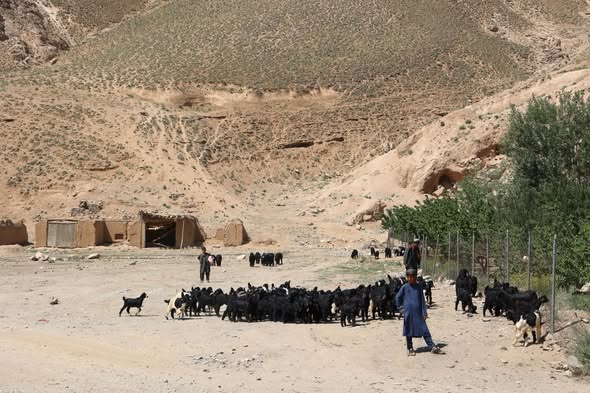
On Wednesday, June 17, UNAMA posted on its Facebook page that the heavy dependence of the population on agriculture has increased the country’s vulnerability to climate change. A large portion of people in rural areas rely on farming and livestock for their livelihoods, and any reduction in rainfall or land degradation directly affects their income and access to food.
The agency emphasized that restoring degraded lands, protecting water resources, and expanding climate-resilient approaches play a vital role in mitigating the consequences of this crisis. UNAMA added that understanding the value of natural resources, respecting local knowledge, and targeted investment can strengthen community resilience against climate shocks.
Afghanistan is grappling with climate threats amid ongoing wars, political crises, and widespread poverty, all of which have weakened the country’s capacity to adapt. Under these circumstances, it is expected that the Taliban administration and responsible bodies undertake practical and transparent programs for water resource management and farmer support — an action that has not yet been tangibly reported.