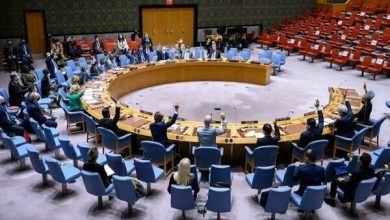
UN Security Council Replaces ‘Ruling Authorities’ with ‘Relevant Authorities’ in Draft Resolution on UNAMA
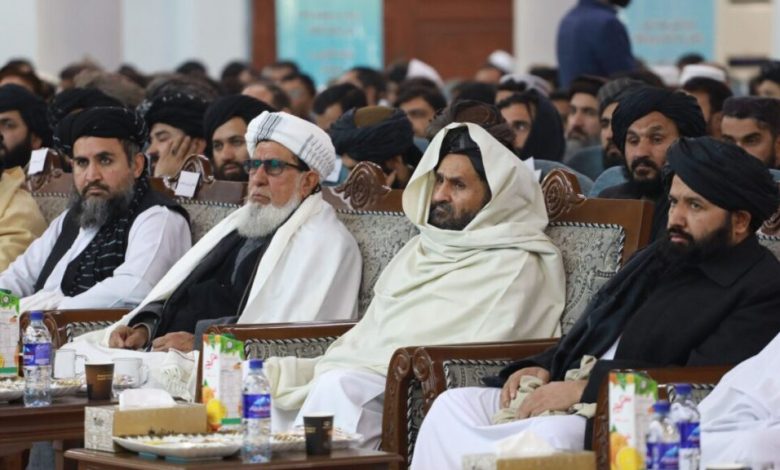
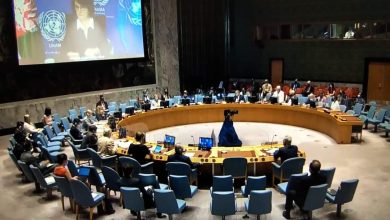
During Security Council negotiations to extend the UN Assistance Mission in Afghanistan’s (UNAMA) mandate, the term “ruling authorities” referring to the Taliban administration was removed from the draft resolution and replaced with “relevant authorities.” The Security Council Report agency stated that this change followed opposition from some Western members of the council.
According to the report, the United States, the United Kingdom, and France argued that using the term “ruling authorities” could be interpreted as implicit legitimacy or recognition of the Taliban administration. Although the Taliban regained power in Afghanistan in August 2021, no country except Russia has officially recognized them.
Conversely, China and Russia advocated for retaining the phrase, asserting that it reflects the political reality in Afghanistan, as the Taliban administration controls government institutions and territories of the country. This disagreement was part of several contentious issues during negotiations to extend UNAMA’s mandate for another year.
In March this year, contrary to usual practice, the Security Council extended UNAMA’s mandate for only three months. At that time, the United States sought a broader assessment of the mission’s priorities and effectiveness under current Afghan conditions.
The new draft requests United Nations Secretary-General António Guterres to conduct a strategic review of UNAMA’s mission and submit written proposals to enhance its effectiveness. Some council members support this review, but Russia questioned its necessity and opposed language that could cast uncertainty over UNAMA’s long-term future.
The disagreements extended beyond the terminology regarding the Taliban administration. According to the agency, some Western Security Council members insisted on maintaining references to the Doha process as the primary framework for the international community’s engagement with Afghanistan, while Russia emphasized regional initiatives and an approach it described as “more pragmatic.” As a result of these differences, certain disputed phrases were removed from the final text.
Human rights also remained a central topic in the discussions. Several Security Council members called for strengthening language related to human rights, women, peace and security, and support for women and girls. The draft resolution continues to address sexual and gender-based violence and urges UNAMA to document the human rights situation, especially the rights of women and children.
This comes amid ongoing international criticism of the Taliban administration’s extensive restrictions on the education, work, and social participation of women and girls, policies that many human rights organizations consider blatant violations of fundamental citizen rights.
Established in 2002, UNAMA is the United Nations’ most significant political mission in Afghanistan. Since the Taliban’s return to power, it has played a key role in coordinating humanitarian aid, monitoring human rights, and facilitating dialogue between Afghanistan and the international community. If adopted, the new resolution would extend UNAMA’s mandate until June 17, 2027, while simultaneously initiating a comprehensive review of its role and priorities—a process that could influence the future nature of UN engagement with Afghanistan.